


How fast can a bulldozer go?
 Oct. 15, 2026
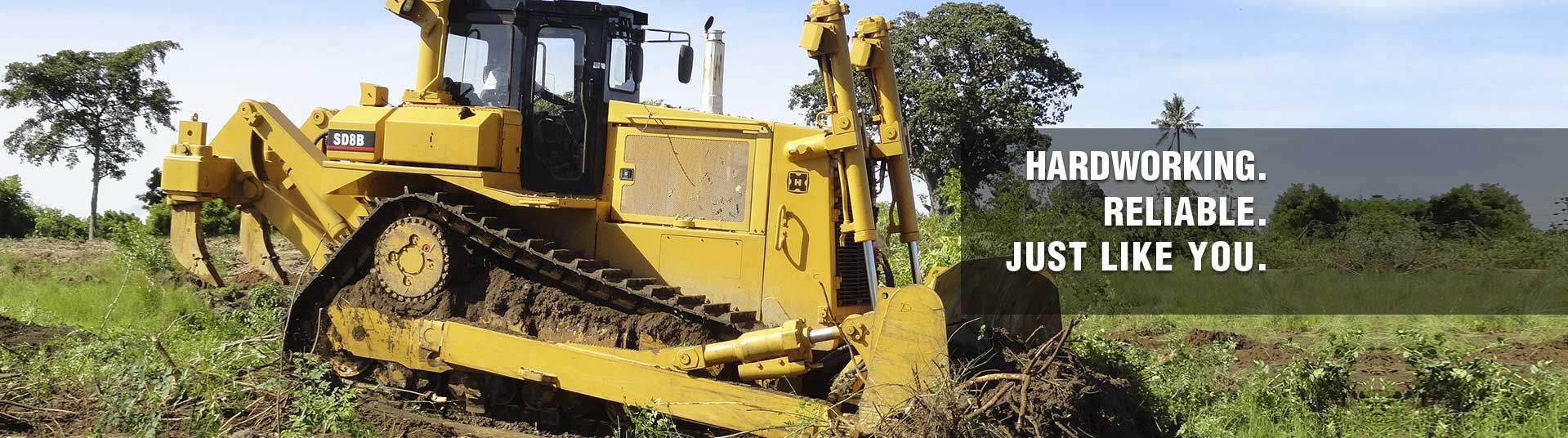
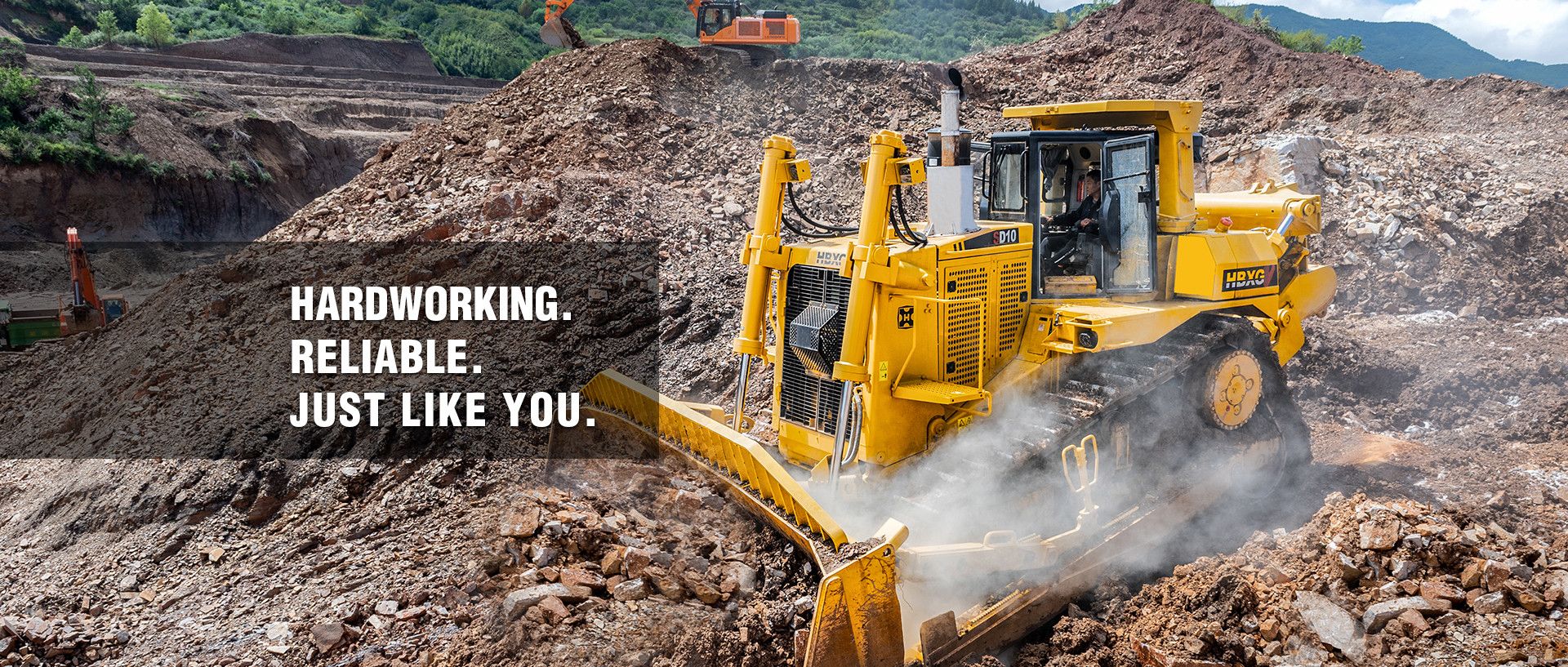
A Crawler Dozer typically travels much more slowly than a wheel loader, dump truck, or road vehicle. Most crawler dozers move at about 3 to 7 miles per hour during normal travel, while some modern models can reach approximately 7 to 9 miles per hour in their highest gear. Working speed is usually lower because the machine must maintain traction, blade control, and stability while pushing material.
The exact answer depends on the machine size, transmission, track condition, ground surface, load, slope, and operating mode. For buyers comparing equipment, speed should be considered together with drawbar pull, blade capacity, fuel consumption, ground pressure, and service support. HBXG manufactures crawler dozers for construction, mining, road building, agriculture, and land development applications. More product information is available at .

How Fast Does a Bulldozer Usually Travel?
Typical crawler dozer speed range
Most crawler dozers have several forward gears and one or more reverse gears. Their practical speed range is generally:
- Low-speed pushing: 1 to 3 miles per hour.
- Normal earthmoving travel: 3 to 5 miles per hour.
- Light-load movement between work areas: 5 to 7 miles per hour.
- Maximum travel on suitable level ground: approximately 7 to 9 miles per hour on some models.
- Reverse travel: commonly slower than forward travel, often between 3 and 6 miles per hour.
A bulldozer is designed primarily for controlled pushing and grading, not high-speed transportation. Operators normally select the lowest gear that provides sufficient pushing power and use a higher gear only when traveling without a significant load.
Working speed is different from maximum speed
Maximum speed is the highest speed listed in the technical specifications. Working speed is the speed that allows the operator to maintain traction, blade control, and accurate material placement. These two figures should not be confused when comparing machines.
- A dozer may reach its maximum speed only when traveling empty on level, firm ground.
- A loaded blade usually requires a lower gear and a lower ground speed.
- Soft soil, mud, rock, steep slopes, and rough terrain can reduce practical speed significantly.
- Frequent acceleration and gear changes can reduce productivity and increase fuel consumption.
Bulldozer Speed by Machine Size and Drive System
Small bulldozers
Small dozers used for landscaping, utility work, residential construction, and farm maintenance often have a maximum speed of approximately 5 to 7 miles per hour. Their lower weight can make them easy to transport, but they may need more passes to move large volumes of material.
Small dozers are often selected when the purchasing group needs:
- Low ground disturbance.
- Easy transportation between small job sites.
- Good maneuverability in restricted areas.
- Lower fuel and maintenance costs.
Medium bulldozers
Medium crawler dozers commonly travel at approximately 6 to 8 miles per hour in high gear. They provide a balance between pushing force, operating cost, transportability, and production capacity.
Medium machines are often appropriate for:
- Road construction and site preparation.
- General commercial construction.
- Pipeline and utility projects.
- Land clearing and agricultural development.
- Municipal earthmoving projects.
Large bulldozers
Large mining and heavy construction dozers may have a listed maximum speed of approximately 5 to 8 miles per hour. Although their top speed may not be higher than that of a smaller dozer, their greater weight, engine power, blade size, and traction allow them to move more material per pass.
For large dozers, productivity is usually determined more by push distance, blade capacity, soil conditions, and cycle time than by top speed. A larger dozer may complete a job faster even if it has a similar maximum speed to a medium machine.
Hydrostatic and powershift bulldozer speed
Hydrostatic drive systems can provide smooth speed adjustment and precise control, especially during grading and repetitive forward and reverse cycles. Powershift transmissions provide strong mechanical performance and are widely used for heavy pushing.
- Hydrostatic drive can make speed control easier during fine grading.
- Powershift drive can provide strong and predictable performance during heavy pushing.
- Automatic transmission controls may help maintain a suitable gear under changing loads.
- The drive type alone does not determine productivity. Blade design, engine power, operator skill, and ground conditions are also important.
What Determines How Fast a Bulldozer Can Go?
Engine power and machine weight
Engine power affects the dozer's ability to maintain speed under load. However, a powerful engine does not mean that the machine should always travel at maximum speed. The transmission, final drives, track system, blade load, and machine weight must work together.
A heavier dozer usually provides greater traction and stability, but it may accelerate more slowly and consume more fuel. A lighter dozer may travel more easily but lose traction sooner in wet or loose soil.
Ground and soil conditions
Ground conditions have a direct effect on safe operating speed. Firm, level ground allows faster travel, while loose, wet, rocky, or uneven ground requires reduced speed.
- Firm soil usually supports higher travel speed.
- Mud can cause track slip and increase final-drive load.
- Loose sand can reduce traction and make steering less predictable.
- Rocky ground can damage tracks, rollers, and undercarriage components.
- Slopes require lower speed and careful control of the blade and transmission.
- Frozen or uneven ground can cause sudden shocks to the frame and undercarriage.
Blade load and push distance
A full blade increases resistance and reduces speed. Long push distances can also cause the operator to stay in a lower gear for a longer period. For efficient operation, the operator should select a blade load that the dozer can carry without excessive track slip or engine overload.
Shorter push distances generally improve cycle time. When the push distance is long, a scraper, loader, or articulated dump truck may be more efficient for moving material while the dozer focuses on spreading, slot dozing, and grading.
Track condition and undercarriage wear
Worn tracks, damaged rollers, loose track chains, and worn sprockets can reduce travel speed and increase fuel consumption. Undercarriage condition is especially important for purchasing groups because undercarriage repairs can represent a significant portion of total ownership cost.
Before buying a used crawler dozer, inspect the following components:
- Track shoe wear and shoe bolt condition.
- Track chain pitch and bushing wear.
- Rollers, idlers, and sprockets.
- Track tension and alignment.
- Final-drive oil condition and leakage.
- Frame damage near the track mounting points.
Terrain, slope, and job-site layout
A dozer may reach its published speed on a level test surface but operate much more slowly on a real job site. Tight turns, obstacles, trenches, haul roads, ramps, and changing elevations all reduce practical speed.
When estimating production, measure the complete travel cycle rather than relying on maximum speed. The cycle should include forward pushing, reversing, turning, repositioning, and waiting time.
Why Purchasing Groups Ask About Bulldozer Speed
They want to estimate project productivity
Contractors and fleet managers use speed to estimate how many operating cycles a dozer can complete per hour. However, a useful estimate must include blade capacity, material density, push distance, soil resistance, operator efficiency, and site delays.
A simple planning method is:
- Measure the average forward push distance.
- Record the average loaded travel speed.
- Record the average reverse travel speed.
- Measure turning and repositioning time.
- Calculate the total cycle time.
- Compare the result with the required daily production.
They want to control fuel and operating costs
High-speed travel can increase fuel use, track wear, vibration, and drivetrain stress. A dozer that operates at the correct speed and gear may deliver lower cost per cubic yard than a machine that is driven aggressively.
Purchasing groups should compare:
- Fuel consumption during pushing and travel.
- Recommended service intervals.
- Undercarriage replacement cost.
- Availability and price of replacement parts.
- Transmission and final-drive service requirements.
- Dealer and technical support in the operating region.
They want to select the correct machine for the site
Top speed is only one part of equipment selection. A dozer with a lower maximum speed may be the better choice if it provides stronger drawbar pull, lower ground pressure, a larger blade, better visibility, or easier maintenance.
Match the dozer to the work:
- Choose a small dozer for confined areas and light site work.
- Choose a medium dozer for general construction and road projects.
- Choose a large dozer for heavy pushing, mining, and major land development.
- Choose a low-ground-pressure configuration for soft or sensitive terrain.
- Choose a high-powered configuration for rock, steep grades, or deep cuts.
Step-by-Step Method to Check Bulldozer Travel Speed
Required tools and information
Use the following tools and information to measure speed safely and consistently:
- Operator's manual and machine specification sheet.
- Calibrated measuring tape, survey wheel, or site distance markers.
- Stopwatch or smartphone timer.
- Handheld GPS or approved machine monitoring system.
- Notebook or digital inspection form.
- Personal protective equipment required by the job site.
- Two-way radio or communication device for the spotter.
- Safe, level, and clearly marked test area.
First step: Review the manufacturer's specifications
Find the forward and reverse speed specifications in the operator's manual. Confirm whether the listed speed applies to a standard configuration, an optional transmission, a particular track shoe width, or a specific operating mode.
Record the following information:
- Maximum forward speed.
- Maximum reverse speed.
- Number of forward and reverse gears.
- Recommended gear for pushing.
- Operating weight.
- Engine power.
- Blade type and capacity.
Second step: Inspect the machine before testing
Park the dozer on a level surface and complete a pre-start inspection. Check engine oil, coolant, hydraulic oil, transmission oil, fuel level, track tension, track shoes, rollers, idlers, and visible leaks.
Do not perform a speed test if there is a transmission fault, damaged track component, hydraulic leak, warning alarm, steering problem, or abnormal final-drive noise.
Third step: Select a safe test route
Choose a straight, level, firm route that is free from people, vehicles, trenches, overhead hazards, loose debris, and steep drop-offs. Mark a measured distance, such as 100 meters or 300 feet, with enough space for acceleration and deceleration outside the timed section.
The route should be representative of the machine's normal travel conditions but should not expose the operator or other workers to unnecessary risk.
Fourth step: Warm up the bulldozer
Start the machine according to the operator's manual. Allow the engine, hydraulic system, transmission, and final drives to reach normal operating temperature. Operate the controls at low speed first and verify that steering, braking, blade lift, and transmission functions work correctly.
Fifth step: Test low-speed travel
- Lower the blade to a safe travel position without dragging it heavily on the ground.
- Select the manufacturer's recommended low travel gear.
- Accelerate smoothly before entering the measured section.
- Start the timer when the front reference point reaches the first marker.
- Stop the timer when the same reference point reaches the second marker.
- Repeat the test at least two more times.
- Record the average time and travel conditions.
Sixth step: Test normal and maximum travel speed
Repeat the test in the higher gears only when the route is safe and the operator's manual permits it. Do not test maximum speed while carrying a heavy blade load, traveling across a slope, turning sharply, or operating near people and equipment.
Record:
- Selected gear.
- Travel direction.
- Measured distance.
- Elapsed time.
- Ground condition.
- Blade position.
- Engine load or transmission mode.
Seventh step: Calculate the speed
Use a consistent unit when comparing results. The basic formula is:
Speed = distance divided by time.
For example, if a dozer travels 300 feet in 30 seconds, its speed is 10 feet per second. To convert feet per second to miles per hour, multiply by approximately 0.682. In this example, the speed is approximately 6.82 miles per hour.
Eighth step: Compare the result with the specification
Compare the measured speed with the manufacturer's specification while considering temperature, slope, ground condition, track wear, and machine load. A small difference may be normal. A large reduction in speed may indicate low engine power, transmission problems, hydraulic issues, track problems, excessive load, or incorrect operating technique.
Common Mistakes to Avoid When Measuring or Comparing Speed
Mistake 1: Treating maximum speed as working speed
Maximum speed is usually measured under favorable conditions. It should not be used as the expected speed during heavy pushing, grading, or slope work. Use average cycle speed for production planning.
Mistake 2: Ignoring reverse travel time
Many dozer cycles include reversing. If reverse speed is much lower than forward speed, the extra time can have a substantial effect on daily production. Include forward, reverse, turning, and repositioning time in the calculation.
Mistake 3: Comparing different machine classes
Comparing the maximum speed of a small dozer with a large mining dozer can produce a misleading result. Compare machines by their complete work output, including blade capacity, traction, fuel use, ground pressure, and operating cost.
Mistake 4: Testing on unsafe terrain
Do not conduct a high-speed test on a slope, wet surface, uneven ground, public road, or congested job site. A speed measurement is not worth creating a rollover, collision, or loss-of-control hazard.
Mistake 5: Forgetting undercarriage wear
Worn tracks can reduce travel efficiency and increase operating costs. A used dozer may have an acceptable engine and blade but still require expensive undercarriage repairs.
Mistake 6: Using an incorrect blade position
A blade that is too low can drag against the ground and slow the machine. A blade that is too high can reduce visibility or stability. Follow the operator's manual for the correct travel position.
Mistake 7: Relying only on smartphone GPS
GPS speed readings can fluctuate because of signal quality, acceleration, trees, buildings, and short test distances. Use a measured route and stopwatch, then use GPS as a secondary reference.
How to Improve Bulldozer Travel Efficiency
Select the correct gear
Use a low gear for heavy pushing and a higher gear for unloaded travel on firm ground. Avoid forcing the engine to work below its efficient operating range or allowing continuous track slip.
Reduce unnecessary travel
Organize the site so the dozer spends more time pushing and grading and less time traveling empty. Position stockpiles, haul roads, and work zones to reduce cycle distance.
Maintain the undercarriage
- Check track tension according to the manufacturer's instructions.
- Remove packed mud and debris when appropriate.
- Inspect rollers, idlers, sprockets, and track chains regularly.
- Repair damaged shoes and loose bolts promptly.
- Monitor final-drive oil and abnormal operating noise.
Train operators in efficient techniques
Experienced operators avoid excessive turning, sudden acceleration, unnecessary blade lifting, and prolonged track spinning. They maintain a suitable blade load and use the terrain to reduce resistance whenever possible.
Use production data instead of speed alone
Record fuel use, cycle time, material volume, idle time, and maintenance events. These measurements show whether a dozer is actually meeting project targets and help the purchasing group choose equipment based on total operating value.
What Buyers Should Check Before Purchasing a Bulldozer
Confirm the speed specification
Ask the supplier whether the stated speed is maximum forward speed, normal travel speed, or recommended working speed. Also confirm the test conditions and whether the figure applies to the exact configuration being quoted.
Request a complete technical specification
- Engine rated power.
- Operating weight.
- Blade width and capacity.
- Maximum forward and reverse speeds.
- Ground pressure.
- Drawbar pull.
- Turning radius or steering system.
- Transmission type.
- Fuel tank capacity.
- Hydraulic system capacity.
- Track shoe width and undercarriage configuration.
- Noise and emissions information where required.
Evaluate service and ownership support
Speed has little value if the dozer experiences extended downtime. Before purchasing, confirm the availability of spare parts, technician support, warranty coverage, operator training, maintenance documentation, and local service response.
Test the machine under real operating conditions
Whenever possible, conduct a demonstration using the soil, slope, blade configuration, and work cycle expected on the project. Measure both unloaded travel speed and loaded working speed. This provides a more accurate comparison than relying only on a catalog number.
Final Answer: How Fast Can a Bulldozer Go?
Most crawler dozers travel at approximately 3 to 7 miles per hour during normal operation. Some models can reach about 7 to 9 miles per hour in their highest gear on firm, level ground without a heavy blade load. During pushing, grading, or work on difficult terrain, practical speed is often closer to 1 to 5 miles per hour.
The best bulldozer for a purchasing group is not necessarily the one with the highest top speed. Select a Crawler Dozer by comparing real cycle time, pushing power, blade capacity, fuel consumption, undercarriage cost, safety, and service support. HBXG can help buyers compare crawler dozer configurations for specific job-site requirements and production goals.
Previous None
Next What is the difference between a crawler and a scrapper?


