


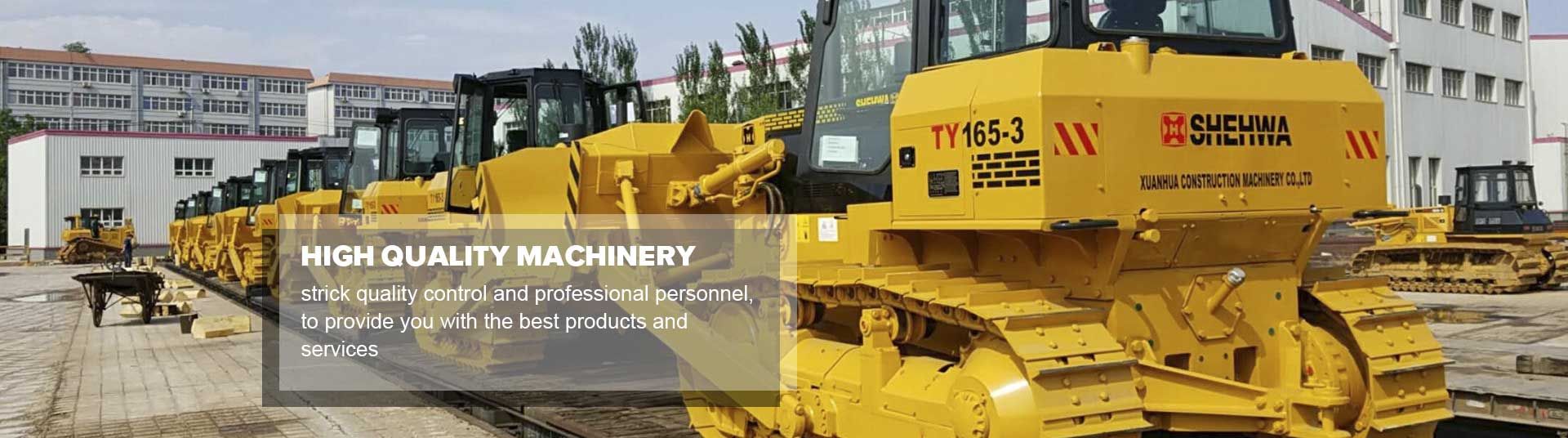
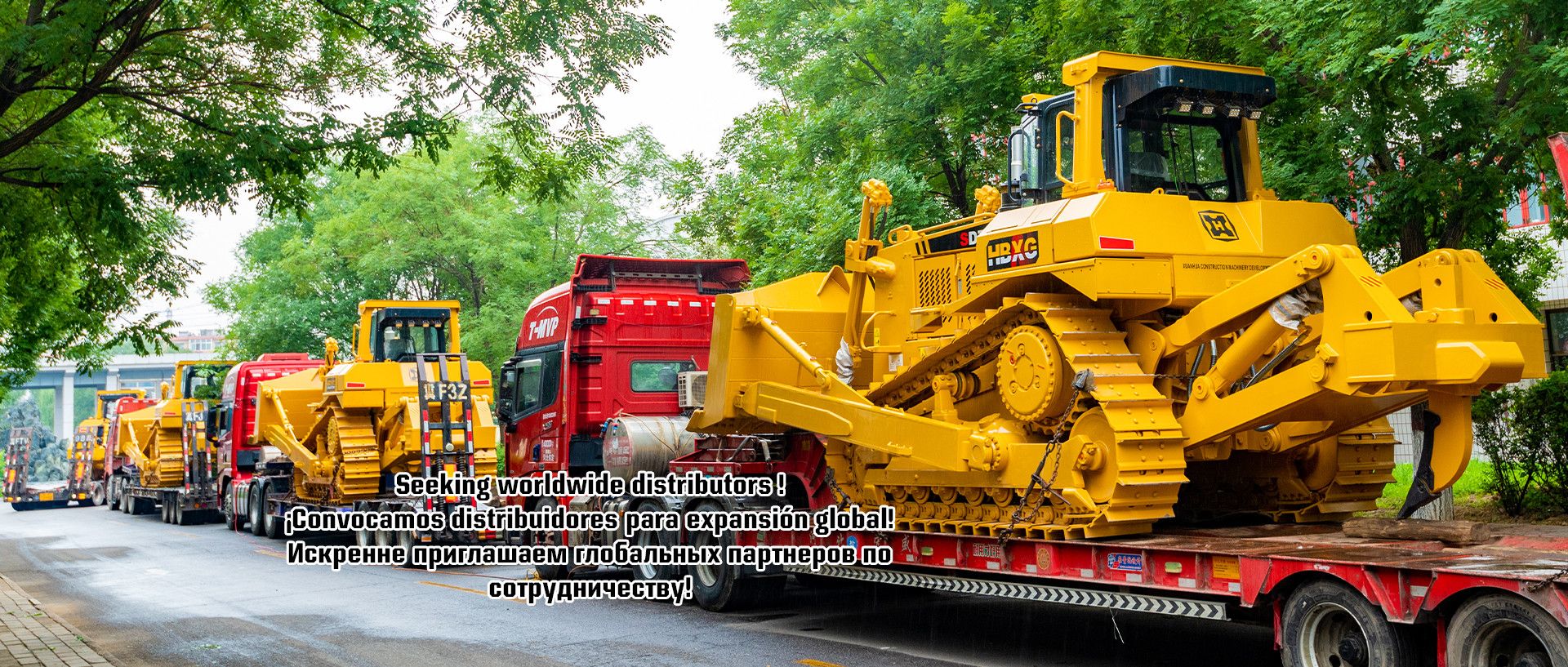
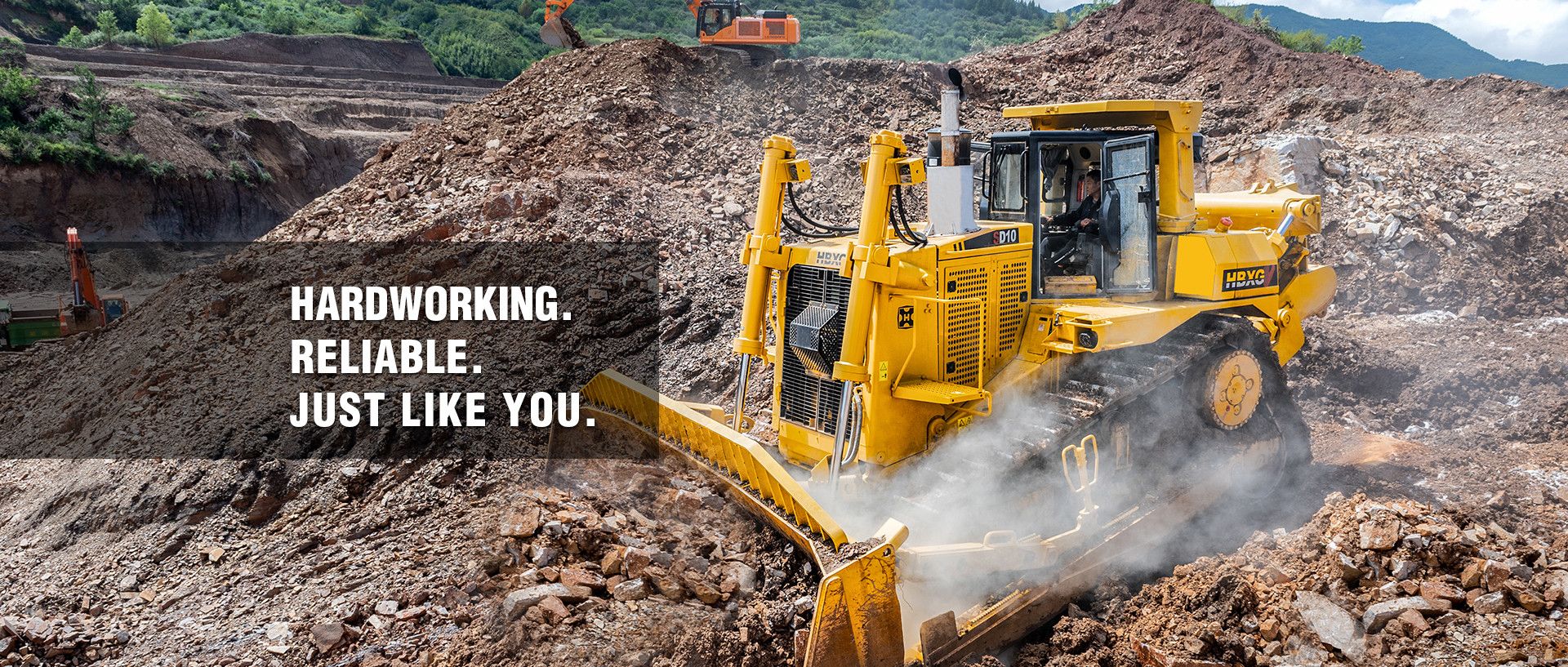
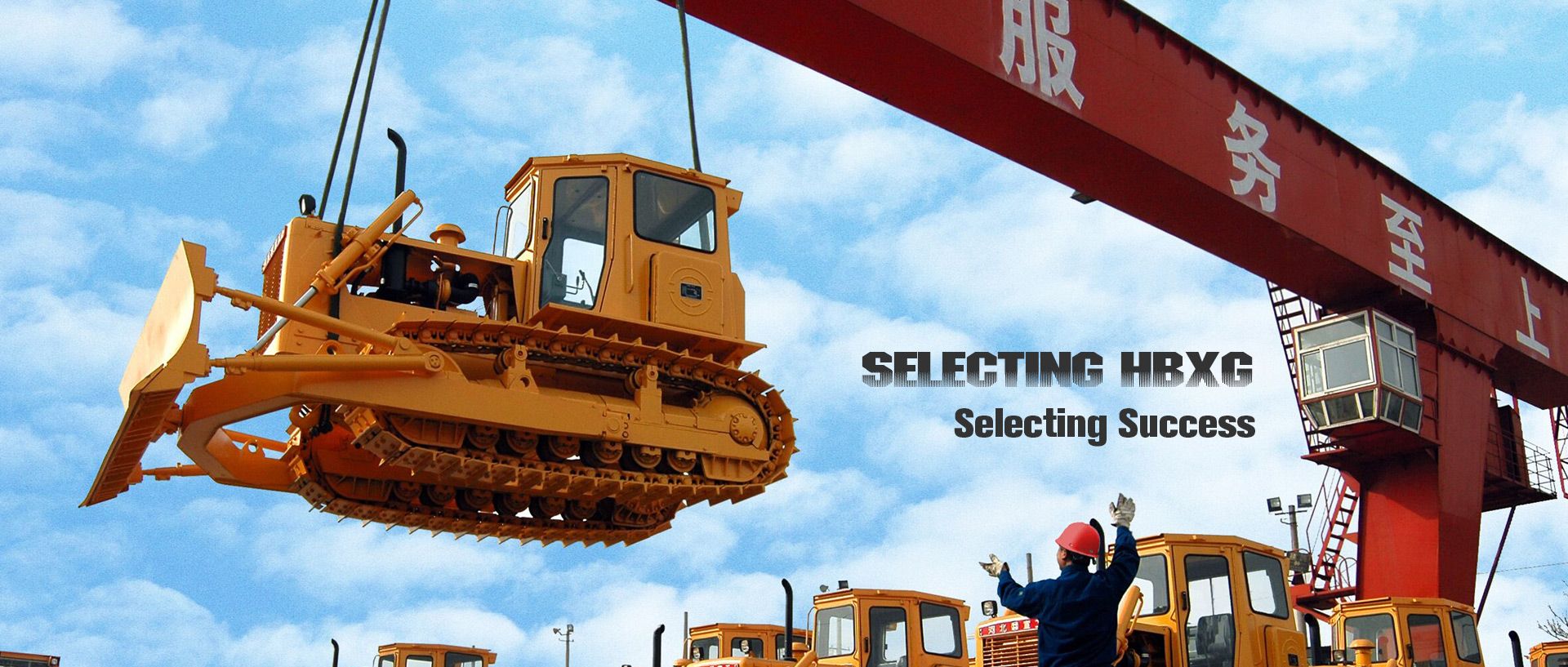

When a pipeline crew must place heavy steel pipe beside a narrow trench, the problem is rarely just lifting capacity. Uneven right-of-way access, limited turning space, wind exposure, and strict lowering tolerances can increase sideboom pipelayer rental cost and create schedule risk. A Side Boom Pipe Layer for oil and gas projects combines tracked mobility with controlled trench lifting, making it a practical form of pipeline construction equipment for difficult corridors. For contractors comparing the best side boom pipelayer for rocky terrain, the decisive specifications are often rated load moment, tractive effort, and boom radius rather than headline lifting capacity alone.
Why Side Boom Pipe Layers Are Gaining Attention in Oil and Gas Construction
Pipeline owners are under pressure to complete gathering lines, transmission systems, hydrogen corridors, and carbon capture networks while controlling safety exposure and equipment downtime. The American Petroleum Institute’s pipeline standards, including API Specification 2C for offshore cranes and API Recommended Practice 2D for offshore cranes, demonstrate how the industry approaches lifting through rated capacity, inspection, and operational controls. On land, OSHA 29 CFR 1926.1400–1926.1442 provides the U.S. regulatory framework for cranes and derricks, while OSHA 29 CFR 1926.651 addresses excavation safety.
A sideboom machine is not a substitute for engineering review or a certified lifting plan. Its value is that the crawler undercarriage can travel parallel to the trench while the side-mounted boom places the pipe close to the desired lowering point. This reduces the need to rotate a conventional crane into a constrained right-of-way. In practical terms, the machine can support stringing, bending support, lowering-in, tie-in work, and selected crossing operations when the configuration, ground conditions, and load chart permit.
Quick Recommendation: Side Boom Pipe Layer Options
- Caterpillar 587T or comparable high-capacity sideboom: A strong choice for major transmission projects that need established dealer support, mature telematics, and a broad global parts network. It is usually best suited to contractors with high utilization and formal fleet-management systems. Indicative used-equipment pricing can range from approximately US$250,000 to US$700,000, depending on year, hours, configuration, and certification.
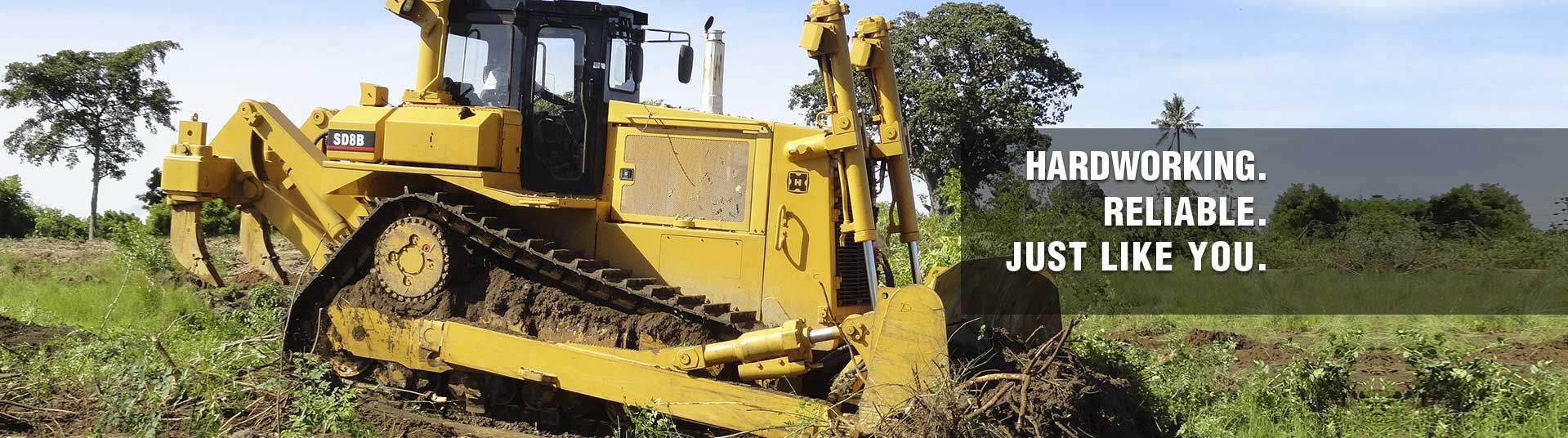
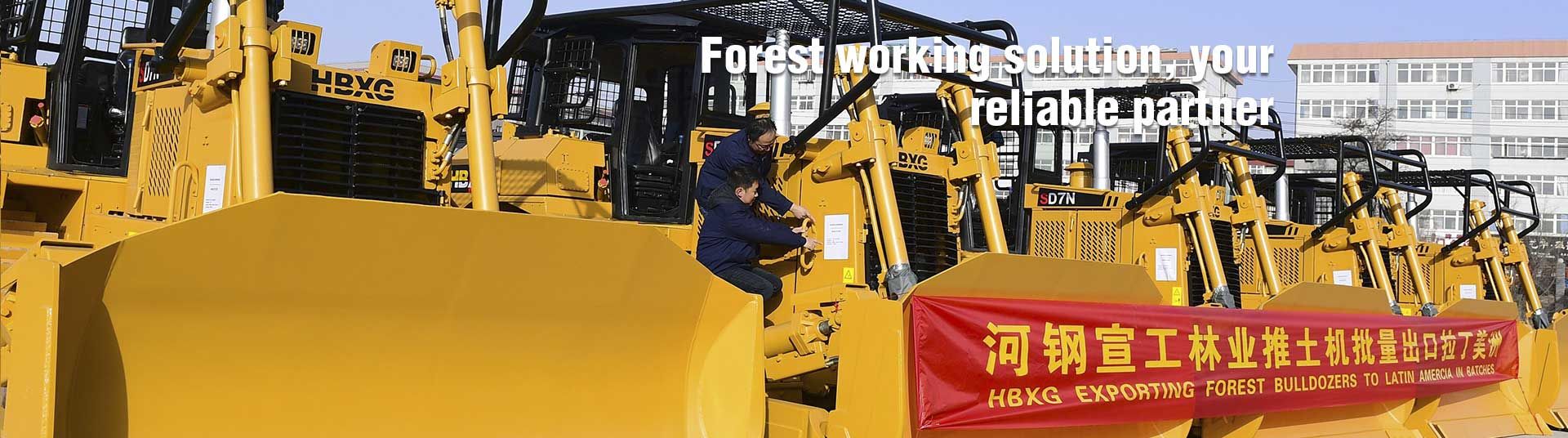
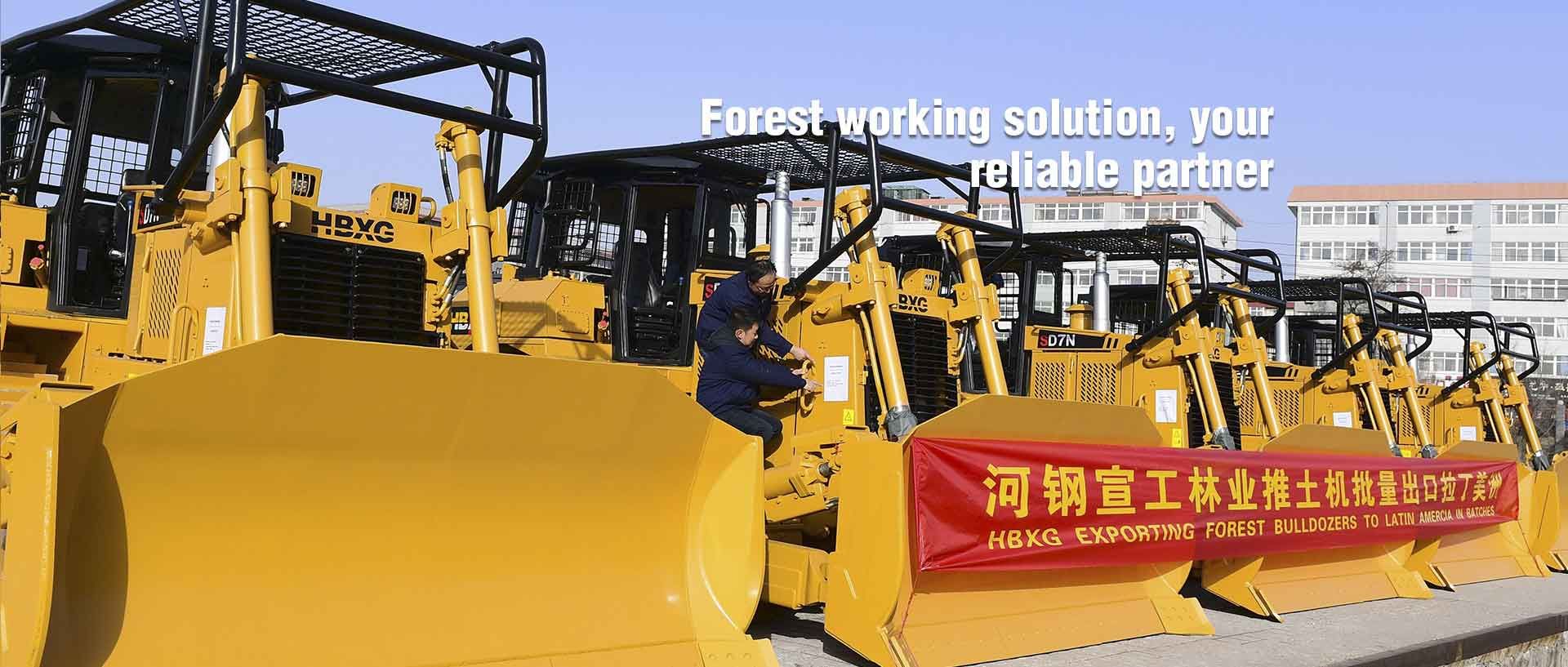
- HBXG side boom pipe layer: A value-oriented option for contractors seeking a new or competitively priced crawler-based pipelayer with straightforward service access and a configuration that can be matched to regional pipeline work. Indicative pricing is commonly available only by quotation because lifting capacity, engine emissions package, winch, counterweight, transport configuration, and after-sales terms vary by market. A practical budget range for comparable new machines may be approximately US$220,000 to US$550,000, subject to formal specification and freight confirmation.
- Komatsu or other established crawler pipelayer platforms: These machines can be attractive where the contractor already operates the same manufacturer’s crawler tractors and has trained technicians, diagnostic tools, and parts inventory. Used prices often fall between approximately US$180,000 and US$600,000, but older machines require careful inspection of the boom, wire rope, winch, undercarriage, and load-monitoring system.
- Rental or specialized pipeline-equipment fleets: Renting is suitable for short spreads, seasonal work, or contractors that cannot justify year-round ownership. A sideboom pipelayer rental cost may range from about US$8,000 to US$25,000 per month, with mobilization, operator, insurance, attachments, maintenance, and minimum rental periods charged separately.
These figures are planning ranges rather than published list prices. A buyer should request a configuration-specific quotation and compare total cost of ownership, not only the purchase price. The comparison should include transport width, counterweight requirements, certification, local technical support, parts lead time, fuel consumption, operator training, and residual value.
Side Boom Pipe Layer Advantages for Oil and Gas Projects
Side Boom Pipe Layer Mobility Improves Right-of-Way Productivity
The first advantage is the ability to travel on crawler tracks while carrying out controlled lifting beside the machine. Wheeled cranes may require improved access roads, outriggers, and additional setup space. A tracked sideboom spreads ground pressure over a larger contact area and can move along many prepared or semi-prepared pipeline corridors without repeatedly dismantling and repositioning the lifting system.
Productivity still depends on soil bearing capacity, slope, matting, trench geometry, and the number of machines working together. A crew should record cycle time from approach to pipe placement rather than rely on a marketing claim. For example, if a sideboom completes 30 lowering cycles per shift instead of 22, the theoretical cycle improvement is approximately 36%. Actual gains must be verified against pipe diameter, lift weight, communication procedures, and ground conditions.
Side Boom Pipe Layer Load Control Supports Safer Lowering-In
Pipe lowering is a controlled placement task, not simply a lifting task. The load chart must be checked at the actual boom angle, working radius, counterweight configuration, and ground slope. Rated load moment is particularly important because the allowable load changes as the load moves farther from the machine’s centerline.
Modern configurations may include load moment indicators, anti-two-block devices, boom-angle sensors, winch monitoring, and emergency-stop systems. These controls do not replace a competent operator or a lift director, but they can provide earlier warning when the planned operating envelope is being approached. The lift plan should specify pipe weight, coating protection, sling arrangement, pick-point spacing, minimum separation from the trench edge, communication signals, and exclusion zones.
Side Boom Pipe Layer Tractive Effort Helps on Slopes and Soft Ground
Oil and gas rights-of-way rarely remain flat for an entire spread. A machine may cross rolling terrain, wet clay, loose fill, or compacted access roads. High tractive effort and a properly designed undercarriage help maintain controlled movement, but neither feature eliminates the need for geotechnical assessment.
Contractors should compare drawbar pull, ground pressure, track shoe width, final-drive protection, steering response, and slope operating limits. Wider shoes can lower ground pressure, while narrower shoes may provide better penetration in some cohesive soils. The correct choice depends on the surface, not on a universal “heavy-duty” label.
Side Boom Pipe Layer Operation Reduces Setup in Narrow Corridors
A conventional mobile crane often needs space to deploy outriggers and maintain a safe swing radius. A sideboom pipelayer keeps the boom on the side of the crawler, which can be advantageous where the trench, spoil pile, stringing area, and access lane occupy most of the available width.
This arrangement can reduce repositioning time during lowering-in. It also helps the crew maintain a repeatable relationship between the machine, the trench, and the pipe. The benefit is greatest when several machines are coordinated through a documented tandem-lift procedure. Each operator must understand the planned load share, travel speed, stop signal, and response to a communication failure.
Side Boom Pipe Layer Versatility Supports More Than One Pipeline Task
A sideboom can be used for pipe stringing support, lowering-in, tie-in assistance, lifting coated pipe, handling selected valves or fittings, and supporting construction around road or utility crossings. The attachment and rigging arrangement must be approved for the actual load and application. A sideboom should not be treated as a general-purpose crane simply because it has a boom and winch.
For example, a pipe section weighing 8,000 kilograms may appear within a machine’s nominal capacity, but the allowable load can fall substantially at a long boom radius or on a cross-slope. A competent person should use the manufacturer’s load chart and account for rigging weight, dynamic effects, wind, ground inclination, and any tandem-lift interaction.
Side Boom Pipe Layer Design Can Reduce Fuel and Labor Costs
Fuel savings depend on engine size, duty cycle, idle time, track resistance, hydraulic demand, and operator behavior. The useful comparison is liters per operating hour or liters per installed tonne of pipe. If one machine consumes 24 liters per hour and another consumes 29 liters per hour over 1,200 operating hours, the difference is 6,000 liters before fuel-price changes are considered.
Labor savings can also result from fewer setup movements and better integration with the pipe crew. However, a safe pipeline spread still requires qualified operators, riggers, signal persons, supervisors, inspection personnel, and maintenance support. Removing a worker without redesigning the work process is not a productivity improvement.
Detailed Product Evaluation: Capacity, Cost, and Best-Fit Users
Caterpillar 587T Side Boom Pipe Layer
The Caterpillar 587T is commonly considered by large pipeline contractors because the platform is associated with high-capacity sideboom work, crawler stability, and international dealer support. The useful evaluation points are not only maximum lifting capacity but also the machine’s capacity at the radius used on the project, its transport dimensions, undercarriage condition, winch performance, and availability of current inspection documentation.
Its purchase profile generally favors large contractors, rental fleets, and owners with long-term transmission or gathering-line programs. New-equipment pricing is normally quote-based, while used units can range from approximately US$250,000 to US$700,000. A buyer should inspect the main frame for fatigue, examine boom pins and bushings for excessive play, test the load-monitoring system, and request oil-analysis history.
In published Caterpillar product information and customer-support materials, the recurring operational themes are machine uptime, serviceability, operator visibility, and fleet support. Those claims should be validated through a local demonstration or a reference customer operating in similar soil, climate, and pipe-size conditions.
HBXG Side Boom Pipe Layer
HBXG is worth considering when the buyer wants a competitively priced crawler-based pipeline machine and values a direct quotation tailored to the job. The key advantages may include a simpler ownership model, accessible mechanical systems, customization for local emissions and transport rules, and the ability to align the machine with a contractor’s existing dozer and pipeline fleet.
HBXG is best suited to pipeline contractors, regional construction companies, rental providers, and infrastructure owners that need controlled lowering and right-of-way mobility without automatically selecting the highest-priced global platform. Because specifications differ by model and market, the buyer should request confirmed data for rated capacity at working radius, maximum boom radius, winch line pull, engine power, operating mass, ground pressure, lifting-speed range, transport dimensions, and safety-device certification.
For a realistic customer evaluation, an HBXG quotation should be tested against a documented project scenario: pipe diameter, wall thickness, average pipe-section mass, trench depth, maximum slope, soil type, daily operating hours, ambient temperature, and distance to the nearest service center. A contractor installing 900-millimeter pipe in a 15-kilometer rural spread may value transport simplicity and parts availability more than a contractor lowering heavier pipe on a major transmission project. The relevant customer case is therefore the one with comparable load charts and working conditions, not a generic testimonial.
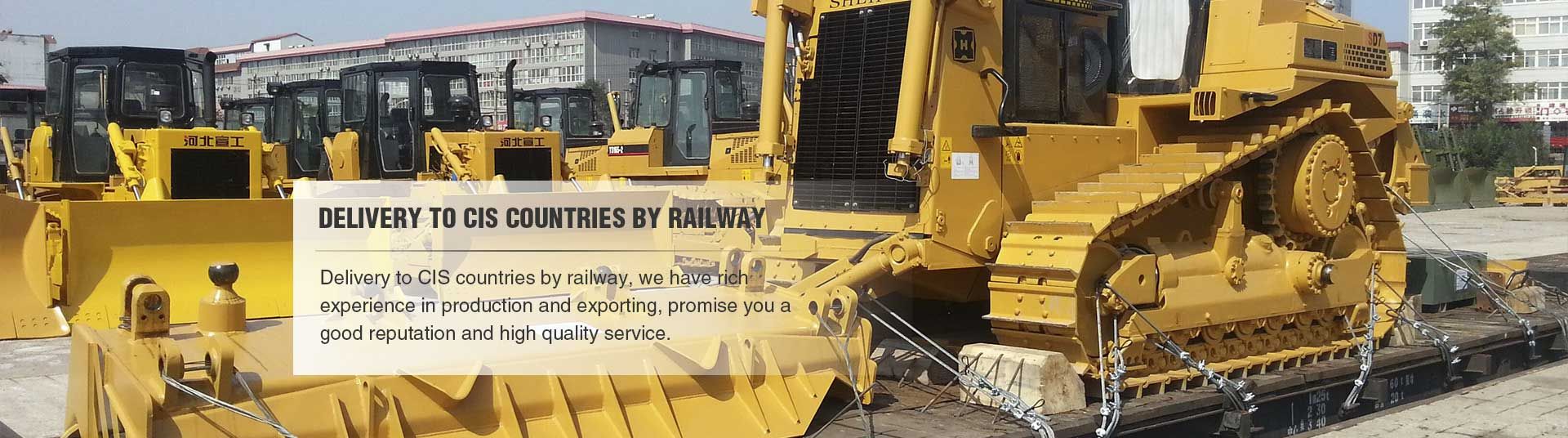
Indicative new-machine pricing for a comparable HBXG sideboom configuration may fall between US$220,000 and US$550,000, excluding freight, taxes, optional lifting instrumentation, commissioning, and operator training. The final quotation should state warranty duration, response time for service requests, consumables included, critical spare-parts stock, software or diagnostic-tool access, and residual-value assumptions.
Komatsu and Other Established Side Boom Platforms
Komatsu and other established manufacturers can be a good fit where the contractor already operates compatible crawler tractors. Shared technicians, lubricants, transport equipment, diagnostic processes, and parts warehouses can reduce administrative complexity. The commercial advantage is strongest when the existing fleet has high annual utilization and the local dealer can support both the base machine and the sideboom configuration.
Used equipment in this category may cost approximately US$180,000 to US$600,000. Older units can be economical, but the inspection must be more rigorous. Check track-chain elongation, roller and idler wear, final-drive leaks, hydraulic-cylinder chrome condition, wire-rope discard criteria, brake holding performance, structural welds, and the availability of the original load chart. A low purchase price can become expensive if major undercarriage or boom repairs are required during the first pipeline season.
Rental-Fleet Side Boom Pipe Layers
Rental is often the most practical route for a contractor with a six-month project, an unexpected replacement requirement, or a short-term increase in lowering-in capacity. The quoted monthly rate does not tell the complete story. Ask whether the rate includes delivery, pickup, scheduled maintenance, emergency service, replacement equipment, operator training, certification inspection, and insurance.
For planning, a sideboom pipelayer rental cost of US$8,000 to US$25,000 per month can be used as a preliminary range, but remote mobilization may add tens of thousands of dollars. Rental customers should also verify the machine’s inspection date, load chart, wire-rope history, operating-hour meter, previous damage, and compatibility with the project’s lift plan.
How to Choose the Right Side Boom Pipe Layer
Match Side Boom Pipe Layer Capacity to the Real Load Radius
Start with the heaviest complete lifted assembly, including pipe, coating, slings, spreader bars, shackles, and any lifting accessories. Then identify the maximum horizontal radius, boom angle, cross-slope, and tandem-lift arrangement. Compare that combination with the manufacturer’s load chart, not with the machine’s maximum capacity at a short radius.
A useful procurement table should record:
- Pipe outside diameter, wall thickness, coating type, and lifted section length.
- Calculated gross load, including rigging and attachments.
- Maximum operating radius and boom angle.
- Maximum longitudinal and transverse slope.
- Ground bearing capacity and expected ground pressure.
- Required travel speed during coordinated lowering.
- Wind limit and weather-related shutdown criteria.
- Required lift-monitoring and anti-two-block systems.
Choose Side Boom Pipe Layer Undercarriage and Traction for the Right-of-Way
Soft, wet, or recently graded ground demands attention to ground pressure and flotation. Rocky terrain creates a different risk: track impact, undercarriage wear, and loss of traction on irregular surfaces. The best side boom pipelayer for rocky terrain should have protected final drives, suitable track shoes, robust guarding, and a service plan for abrasive conditions.
Request field references from projects with similar grades and soil conditions. Ask for measurable information such as average undercarriage hours, fuel consumption per shift, unscheduled downtime, and typical travel speed. These figures are more useful than descriptions such as “excellent performance.”
Compare Side Boom Pipe Layer Safety and Compliance Features
The machine should be compatible with the owner’s lifting standards and local law. Confirm load moment indication, rated-capacity charts, boom-angle indication, winch brake performance, emergency controls, operator visibility, seat-belt systems, guarding, audible alarms, and inspection access. In the United States, the project team should review applicable OSHA requirements, including crane operator qualification and excavation protections. International projects may also reference ISO 4309 for wire-rope care and discard criteria, ISO 9927 for crane inspections, and relevant national lifting regulations.
Certification alone does not make an operation safe. The contractor still needs a lift plan, daily pre-start inspection, ground assessment, exclusion zone, communication protocol, weather monitoring, and a process for stopping work when actual conditions differ from the plan.
Evaluate Side Boom Pipe Layer Ownership Cost
Calculate ownership cost using annual operating hours, fuel liters per hour, planned maintenance, undercarriage replacement, wire rope, hydraulic components, transport, insurance, financing, operator wages, and residual value. A machine priced US$100,000 lower may not be cheaper if it uses 5 additional liters of fuel per hour and experiences 100 more downtime hours per year.
For a five-year comparison, use a simple total-cost model: purchase price plus financing, fuel, maintenance, wear parts, labor, transport, and expected repairs, minus resale value. Apply the same utilization assumptions to every brand. This prevents a new HBXG machine, a used Caterpillar 587T, and a rental unit from being compared on incompatible terms.
Review Side Boom Pipe Layer Service and Parts Support
Ask the supplier how quickly it can supply filters, wire rope, boom pins, hydraulic seals, track components, sensors, and load-monitoring parts to the project location. A response time of 24 hours, 72 hours, or two weeks produces very different schedule exposure. Confirm whether technicians are available locally and whether the warranty covers remote-site travel.
HBXG buyers should request a commissioning schedule, operator familiarization plan, preventive-maintenance intervals, spare-parts recommendation, and escalation contact. The same checklist should be applied to every manufacturer so that brand reputation does not replace measurable after-sales evidence.
Real-World Customer Case Considerations for Pipeline Contractors
Public manufacturer customer stories can show how a sideboom performs, but they should be interpreted carefully. A machine working on a flat, dry right-of-way with short pipe sections cannot be directly compared with one working on a steep, wet corridor. When reviewing a real customer case, identify the pipe diameter, section weight, terrain, climate, annual utilization, crew structure, downtime history, and service distance.
For example, a regional contractor replacing an older sideboom on a rural gas-gathering project may prioritize a machine that can be transported with fewer permits, serviced by its existing technicians, and supplied with critical parts within 72 hours. A national transmission contractor may instead prioritize a higher-capacity platform, telematics integration, standardized operator training, and a nationwide dealer network. Both are legitimate customer requirements, but they lead to different purchasing decisions.
Before signing, request at least two operating references with comparable loads. Ask the references for documented fuel use, average availability, repair response time, undercarriage life, operator feedback, and the percentage of work completed within the rated load chart. This evidence is more reliable than an unsupported statement that one machine is “the fastest” or “the strongest.”
Common Side Boom Pipe Layer Problems and Practical Solutions
Pipe Instability During Lowering
Pipe movement may result from uneven sling placement, excessive radius, wind, poor communication, or an incorrect estimate of the center of gravity. The solution is to verify lifting points, use approved spreader equipment where required, reduce radius, establish a single signal person, and stop the operation when the pipe begins to rotate or swing outside the planned path.
Excessive Ground Pressure Near the Trench
Operating too close to the trench edge can increase the risk of ground failure. The competent person should evaluate soil type, trench depth, spoil-pile location, water, vibration, and machine loading. The minimum setback must follow the engineered plan and applicable excavation regulations rather than a fixed rule copied from another project.
Unexpected Sideboom Downtime
Downtime often begins with small issues: hydraulic leaks, wire-rope damage, sensor faults, loose track hardware, or overdue lubrication. A daily inspection supported by planned oil sampling and condition monitoring can identify problems before a critical lift. Keep high-failure, low-cost parts on site and establish a written escalation process with the dealer or manufacturer.
Transport and Mobilization Delays
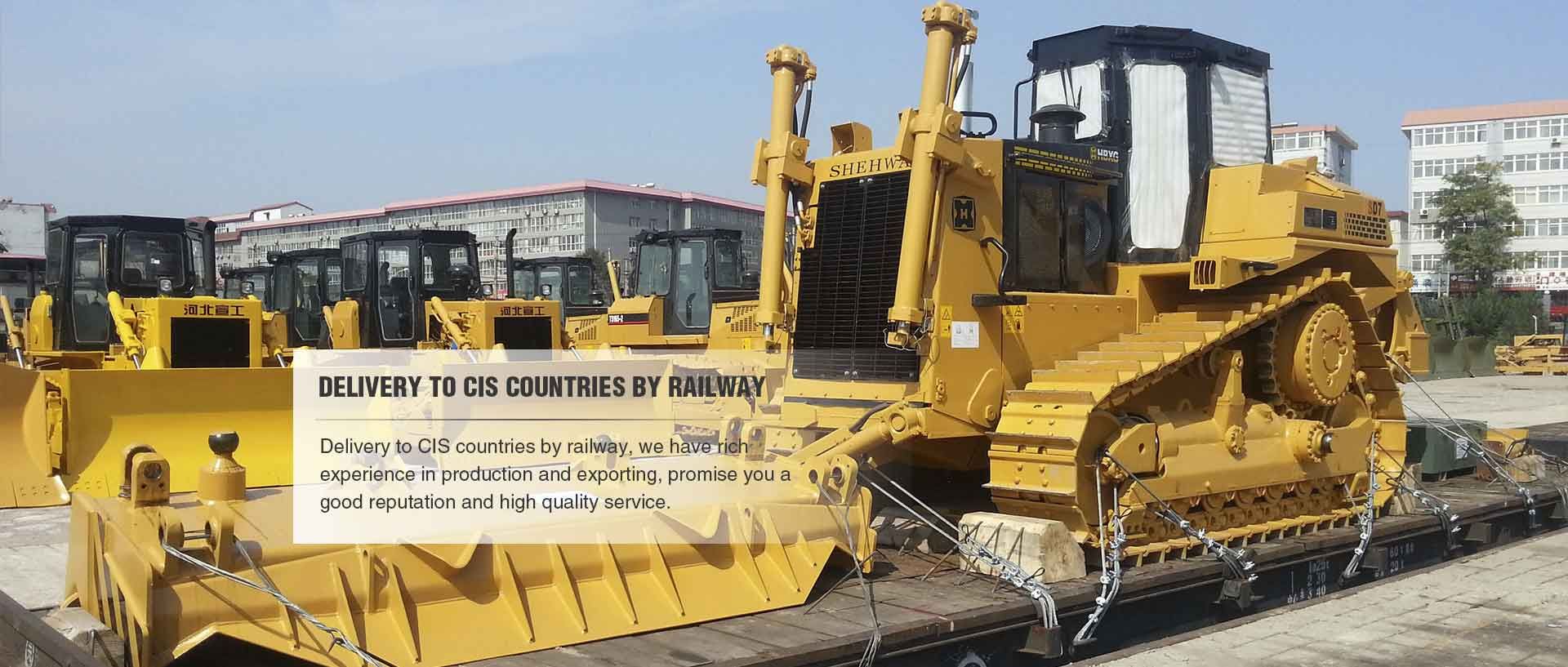
Sideboom machines may exceed standard road dimensions once the boom, counterweight, or attachments are installed. Confirm transport mass, axle loading, permit requirements, bridge restrictions, loading ramps, and disassembly time during procurement. A machine that saves one hour per lifting cycle may still lose its commercial advantage if mobilization takes several extra days.
Final Advice on Selecting a Side Boom Pipe Layer
The right side boom pipe layer for oil and gas projects is the machine whose load chart, ground performance, safety controls, service network, and total ownership cost match the actual pipeline spread. Compare rated load moment, tractive effort, boom radius, ground pressure, fuel consumption, downtime history, and parts response with documented figures. For buyers seeking a value-focused option, HBXG can be included in a fair comparison alongside Caterpillar, Komatsu, and reputable rental fleets. Contact HBXG through its official sales channel to request a project-specific quotation, technical data sheet, delivery estimate, warranty terms, and customer references. A properly matched sideboom pipelayer can improve trench lifting control, right-of-way productivity, and equipment utilization without compromising the engineered lifting plan.


