


What are the benefits of a crawler tractor?
 Oct. 13, 2026
A Crawler Dozer is a tracked earthmoving machine designed to push, spread, level, and clear soil across difficult ground. Its steel tracks provide a large contact area, helping the machine work on soft soil, slopes, and uneven construction sites. Buyers comparing the best crawler dozer for heavy construction should look beyond engine power. Track design, blade capacity, operating weight, ground pressure, service support, and fuel use all affect job cost and productivity.

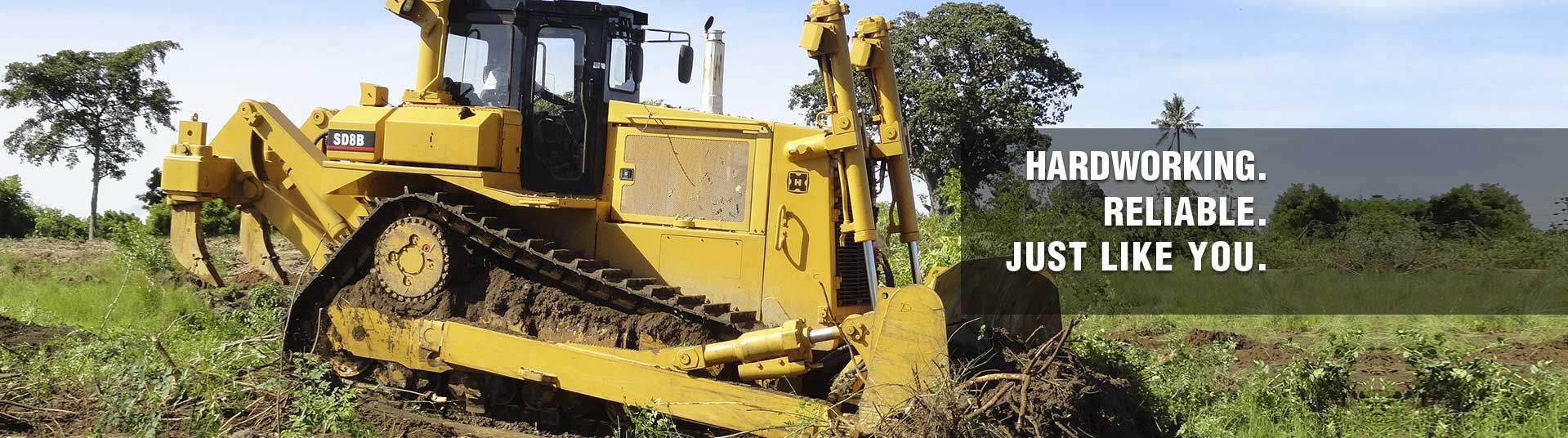
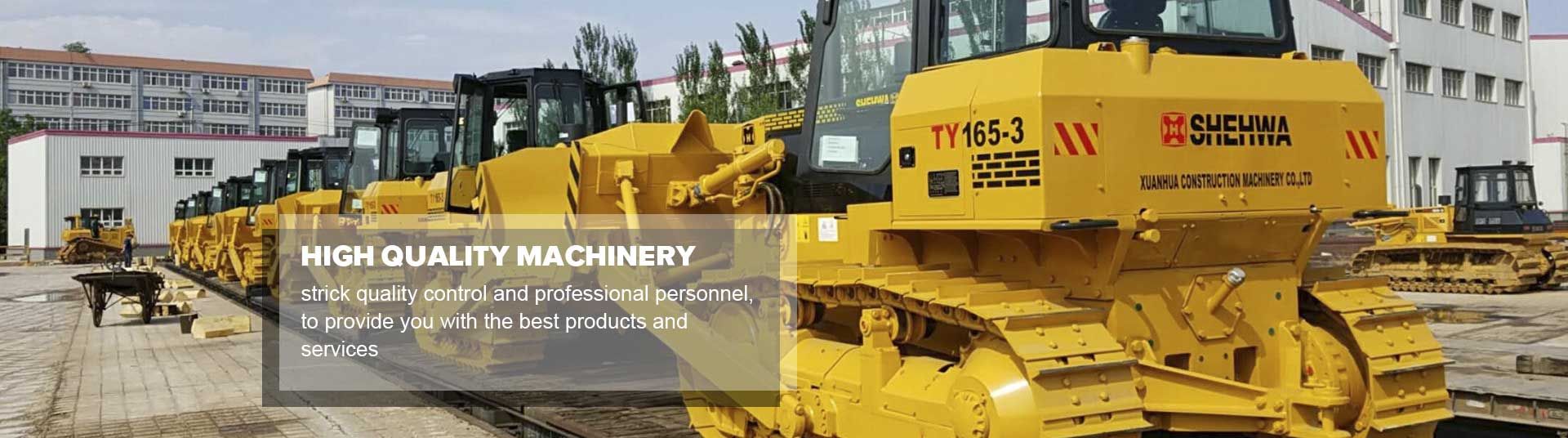
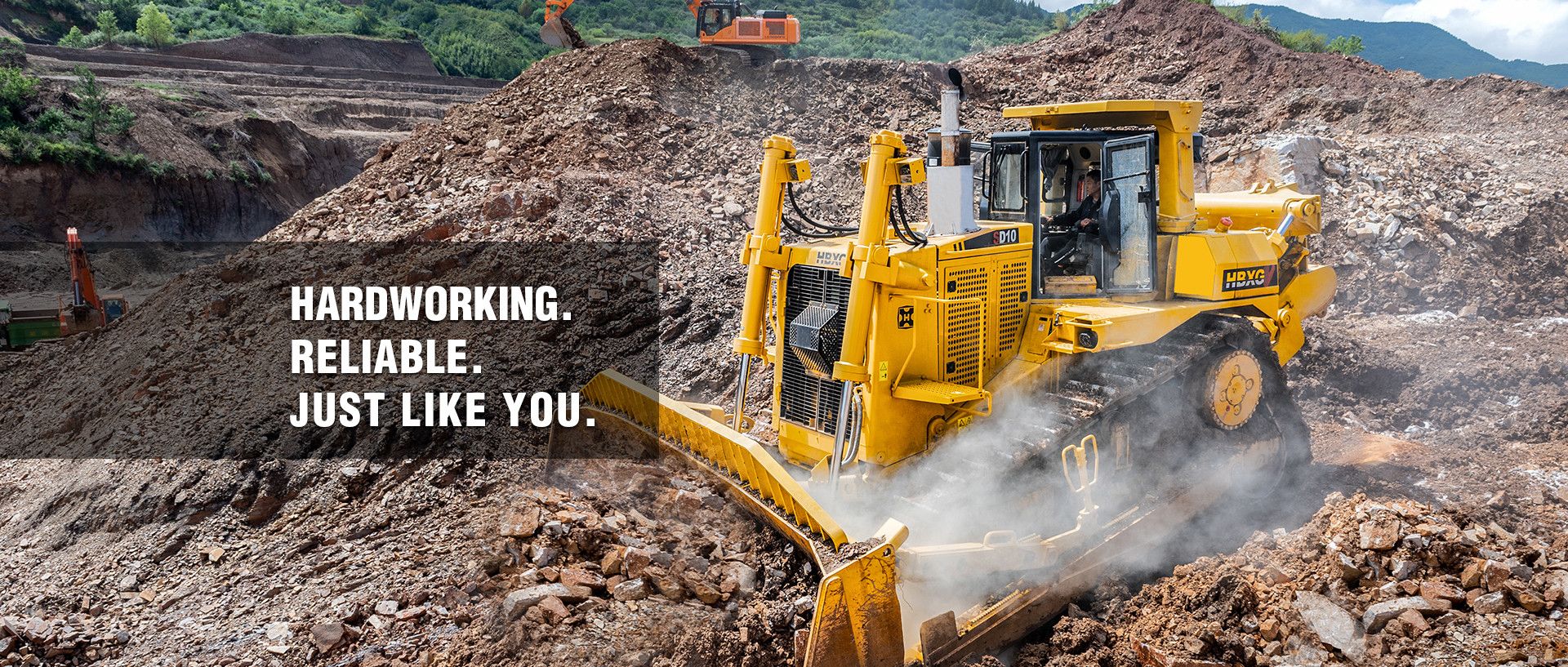
A crawler dozer, also called a track dozer or crawler tractor, is a heavy machine fitted with continuous tracks and a front-mounted blade. The tracks move the machine forward while the blade cuts, pushes, carries, or spreads material.
Unlike a wheeled bulldozer, a crawler dozer does not depend on rubber tires for traction. Its undercarriage contains track chains, rollers, idlers, sprockets, and track shoes. These parts distribute machine weight over a wider area than tires normally can.
What Is a Crawler Dozer?
- Operating weight: The machine’s weight with standard equipment, fluids, and common attachments. Greater weight can improve pushing force, but it may increase transport and ground-impact costs.
- Ground pressure: The load applied to the ground through the tracks. Lower ground pressure is useful on sand, peat, wet soil, and recently filled ground.
- Drawbar pull: The pulling force available at the tracks. It affects the dozer’s ability to push material uphill or work in dense soil.
- Blade capacity: The approximate amount of material the blade can move in one pass. Blade shape and soil type affect real production.
- Straight blade: A blade designed for cutting and fine grading. It is often called an S-blade.
- Angle blade: A blade that can direct soil to the left or right. It is useful for road shoulders, drainage channels, and side casting.
- Universal blade: A larger curved blade that carries more loose material over longer pushes.
- Ripper: A rear attachment with one or more shanks that breaks hard soil, compacted gravel, or weathered rock before dozing.
Important Crawler Dozer Terms
The diesel engine supplies power to the transmission and final drives. The final drives turn the sprockets, which move the track chains. The operator controls track speed and direction through steering and transmission systems. Hydraulic cylinders raise, lower, tilt, or angle the blade.
During a typical push, the blade cuts into the soil, fills with material, and carries it to a new location. The operator then lowers or tilts the blade to spread the material. For better productivity, the push distance should be controlled. Long pushes increase travel time and can cause material to spill from the blade.
A simple production estimate can be developed with this formula:
Hourly production = material moved per cycle × cycles per hour × job efficiency
Job efficiency includes turning, reversing, waiting, ground conditions, operator skill, and maintenance delays. A machine with a larger engine may not produce more material if the blade, haul distance, or site layout is poorly matched to the work.
How Does a Crawler Dozer Work?
What Are the Benefits of a Crawler Dozer?
The benefits of a crawler tractor come from its track system, blade control, and high pushing force. The most important advantages include:
1. Strong Traction on Difficult Ground
Continuous tracks maintain contact with the ground over a long footprint. This helps the machine work on loose soil, mud, gravel, and sloped terrain where a wheeled machine may lose traction.
Traction still depends on track width, shoe design, soil moisture, slope angle, and machine weight. Operators should not assume that tracks make every slope safe. A site risk assessment and the manufacturer’s operating limits remain necessary.
2. Lower Ground Pressure Options
Wide track shoes spread the machine’s weight over a larger area. This can reduce sinking on soft ground and limit surface damage. Low-ground-pressure models are often selected for wetland construction, pipeline corridors, landfill work, and land reclamation.
Lower ground pressure does not mean the machine can work without limits. Deep mud, hidden voids, and unstable embankments can still cause a rollover or track loss.
3. Precise Earthmoving
A crawler dozer can perform rough excavation and finish grading with the same front blade. Modern machines may also support grade-control systems that use GNSS, laser, or total-station data to guide blade elevation.
Grade control can reduce repeated passes and material rework when the system is correctly calibrated. The actual result depends on the site model, survey accuracy, operator training, and machine condition.
4. Useful for Large-Scale Site Preparation
Dozers can clear vegetation, strip topsoil, create working platforms, build embankments, form drainage paths, and prepare foundations. They are especially useful when the work requires repeated pushing rather than lifting and loading.
5. Compatibility With Rear Attachments
A ripper can loosen hard ground before the blade pushes it. This reduces the need for separate breaking equipment in some applications. Multi-shank rippers are suitable for broad areas, while a single-shank ripper can focus force on a narrow section of hard material.
Crawler Dozer Applications
Construction and Road Building
On construction sites, crawler dozers prepare access roads, level building pads, spread fill, and shape slopes. Road contractors use them to form subgrades before aggregate and asphalt are placed.
For roadwork, buyers should consider blade angle control, visibility, transport width, and the ability to maintain a consistent grade. A dozer that is too large for the site may increase fuel and transport costs without improving output.
Mining and Quarry Operations
Mining sites use large crawler dozers for overburden removal, bench preparation, stockpile management, and haul-road maintenance. Rippers can help break weathered rock and compacted material.
Mining buyers should review frame strength, undercarriage protection, cooling performance, dust control, and service access. Abrasive rock can shorten the life of track shoes, pins, bushings, and cutting edges.
Land Clearing and Forestry
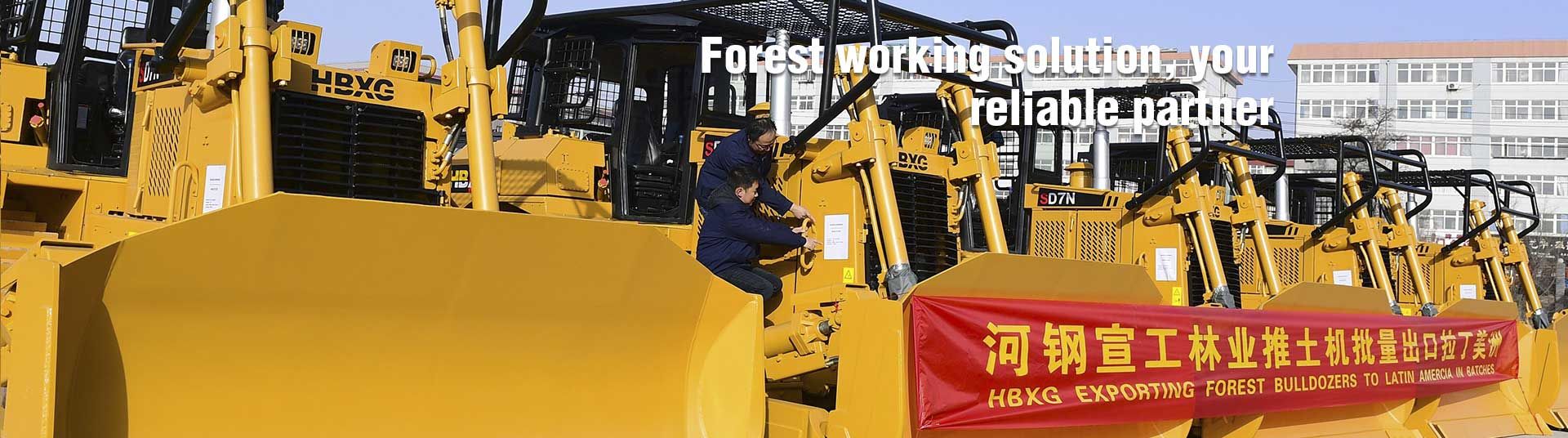
A crawler dozer can push small trees, remove roots, clear brush, and create firebreaks. Forestry work requires careful attachment selection because stumps, rocks, and hidden debris can damage the blade or undercarriage.
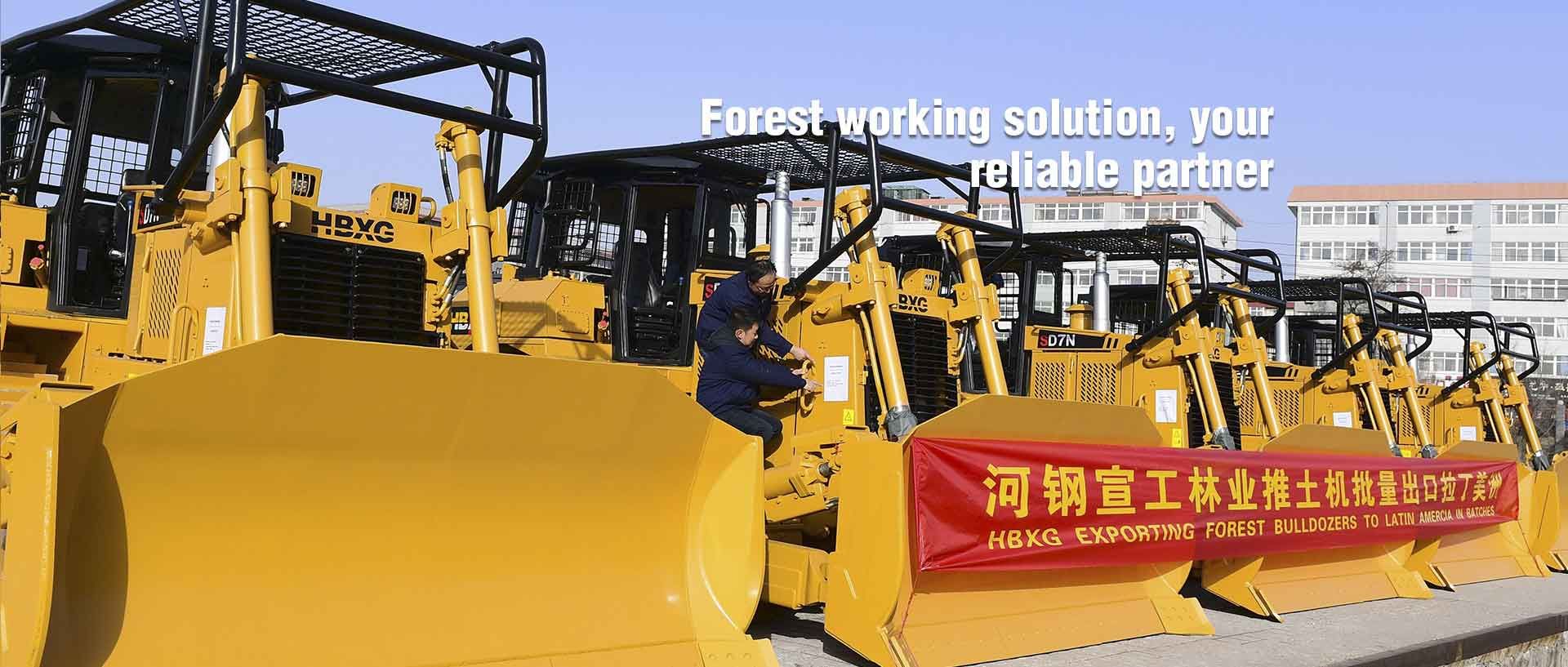
For buyers seeking a crawler dozer for land clearing, useful features may include a protective canopy, guarding, a heavy-duty blade, rear ripper, and reinforced hydraulic lines.
Agriculture and Land Reclamation
Farm and reclamation projects use crawler tractors to level fields, build ponds, clear irrigation routes, repair embankments, and move soil. Low ground pressure can be valuable when the machine must cross soft or recently irrigated ground.
Pipeline and Utility Construction
Pipeline contractors use dozers to open access routes, spread spoil, build temporary roads, and restore disturbed land. The machine must work efficiently while limiting damage outside the approved work corridor.
Waste Management and Landfill Work
Landfill dozers spread waste, cover daily cells, maintain slopes, and move soil cover. These sites create special demands, including sharp debris, dust, odor, and possible material wrapped around the undercarriage. Daily cleaning and inspection are essential.
How to Choose the Right Crawler Dozer
Match Machine Size to the Job
Small crawler dozers are easier to transport and can work in restricted spaces. Medium machines provide a balance between maneuverability and production. Large dozers deliver greater pushing force for mining, major earthworks, and large stockpiles.
Choose based on the volume of material, push distance, slope, soil density, work hours, and site access. Engine horsepower alone does not show total productivity.
Check Blade Type and Capacity
Select a straight blade for cutting and grading, an angle blade for side casting and drainage work, or a universal blade for moving larger volumes. A six-way blade can provide hydraulic control of lift, tilt, and angle, which is useful for detailed grading.
Review Ground Pressure and Track Options
Wide tracks can reduce ground pressure, while narrow or reinforced shoes may offer better durability in rock and abrasive soil. The correct choice depends on whether the priority is flotation, traction, or wear resistance.
Evaluate Fuel and Operating Costs
Fuel consumption is affected by engine load, idle time, soil resistance, operator technique, blade fill, and travel distance. A dozer that idles for long periods can consume fuel without moving material. Automatic idle shutdown, economy modes, and operator training may reduce unnecessary consumption.
Use measured site data rather than a brochure estimate. Record fuel used, operating hours, material moved, and downtime for at least several work cycles. This gives a more useful cost-per-cubic-meter figure.
Inspect the Undercarriage
The undercarriage is one of the largest maintenance cost areas on a crawler dozer. Inspect the following parts:
- Track shoe width and grouser height
- Pin and bushing wear
- Roller and idler condition
- Sprocket tooth wear
- Track tension
- Oil leaks around final drives
- Cracks in the frame and equalizer bar
Incorrect track tension increases wear. Excessive tension adds resistance and load to the undercarriage, while loose tracks may derail more easily. Always follow the manufacturer’s measurement procedure.
Consider Service and Parts Support
Before purchase, confirm the availability of filters, cutting edges, track components, hydraulic parts, and trained technicians. A lower purchase price may not produce a lower total cost if parts take weeks to arrive.
Crawler Dozer Operating Best Practices
Plan the Push
Remove large obstacles before starting. Select a push direction that minimizes turning and reversing. When possible, use downhill travel for controlled material movement, while staying within the manufacturer’s slope limits.
Use the Blade Correctly
Do not force the blade into material at excessive depth. A shallow, controlled cut can maintain track speed and reduce engine overload. In hard soil, rip first instead of repeatedly stalling the blade.
Control Travel Speed
High travel speed increases shock loads and undercarriage wear. Use a speed that matches the ground surface and visibility. Avoid turning sharply on hard ground when the tracks are under heavy load.
Reduce Unnecessary Idling
Long idle periods add engine hours and fuel use without increasing production. Establish an idle policy that allows safe warm-up and cool-down while stopping avoidable idle time.
Keep the Undercarriage Clean
Remove packed mud, rocks, wire, and waste material from the tracks. Debris can restrict roller movement and increase wear. Cleaning is especially important after landfill, forestry, and wet-soil operations.
Crawler Dozer Safety Requirements
Only trained and authorized operators should use a crawler dozer. Before each shift, inspect the blade, ripper, tracks, steering controls, brakes, lights, alarms, fluid levels, and visible hydraulic lines.
Important safety practices include:
- Use a seat belt and keep the cab or protective canopy in good condition.
- Keep people outside the machine’s swing, travel, and backing zones.
- Use a spotter when visibility is limited.
- Check for overhead power lines and underground utilities.
- Do not exceed the manufacturer’s slope or load limits.
- Lower the blade and attachments before leaving the machine.
- Stop the engine before clearing debris from the undercarriage.
- Use approved lockout and isolation procedures during maintenance.
OSHA’s construction regulations address earthmoving equipment, seat belts, backing controls, and worker protection. Local laws may add requirements, so operators should follow both the machine manual and the rules for the worksite.
Crawler Dozer Maintenance Checklist
Daily Checks
- Check engine oil, coolant, hydraulic oil, and fuel leaks.
- Inspect track tension and track shoe damage.
- Remove debris from the undercarriage.
- Inspect cutting edges, end bits, blade cylinders, and pins.
- Test brakes, steering, lights, alarms, and backup camera systems.
- Clean windows, mirrors, steps, and handrails.
Scheduled Maintenance
Follow the service intervals in the operator’s manual. Scheduled work may include changing filters, lubricating pivot points, checking final-drive oil, inspecting hydraulic hoses, measuring undercarriage wear, and testing cooling-system performance.
Keep a service record with machine hours, parts replaced, fuel use, faults, and inspection results. This record supports preventive maintenance and improves resale value.
Crawler Dozer Cost and Productivity
The purchase price is only one part of dozer ownership. Total cost may include fuel, operator wages, transport, routine service, undercarriage replacement, cutting edges, insurance, financing, and downtime.
A practical calculation is:
Cost per productive hour = ownership cost per hour + operating cost per hour
For rental decisions, compare the rental rate with expected productive hours and the cost of transporting the machine. For a purchase decision, compare annual utilization with depreciation, maintenance, and financing costs.
Track production using measurable results such as cubic meters moved per hour, liters of fuel per operating hour, downtime hours per month, and undercarriage cost per hour. These figures are more useful than general claims such as “high efficiency” or “strong performance.”
Industry References and Technical Resources
The following resources can help buyers and fleet managers verify technical information:
- — product specifications, machine systems, attachments, and application information.
- — production estimating methods, material factors, job efficiency, and equipment performance concepts.
- — crawler dozer product information and technology features.
- — safety requirements for material handling and earthmoving equipment in U.S. construction.
- — emissions information for nonroad diesel engines.
Specifications vary by model, market, emission standard, blade, track configuration, and optional equipment. Always confirm the current technical data with the manufacturer or authorized dealer.
Why Consider an HBXG Crawler Dozer?
HBXG provides crawler dozer equipment for construction, mining, road building, land clearing, and other earthmoving applications. When reviewing an HBXG machine, compare the operating weight, engine rating, blade dimensions, track width, hydraulic system, ripper configuration, cab protection, and local parts support with the demands of your project.
Ask the supplier for a complete specification sheet, maintenance schedule, warranty terms, delivery time, spare-parts plan, and operator documentation. A site demonstration or trial can help verify pushing force, visibility, fuel use, turning performance, and grading control under real working conditions.
Frequently Asked Questions About Crawler Dozers
What is the main purpose of a crawler dozer?
Its main purpose is to push, spread, cut, level, and move soil or other loose material. It can also clear land, build roads, prepare foundations, maintain slopes, and rip hard ground when fitted with a rear attachment.
What is the difference between a crawler dozer and a wheel dozer?
A crawler dozer uses continuous tracks and normally provides higher traction and lower ground pressure. A wheel dozer uses tires, usually travels faster on firm surfaces, and may be easier to move between nearby work areas. The best choice depends on soil, distance, slope, and required pushing force.
Is a crawler tractor the same as a crawler dozer?
In earthmoving discussions, “crawler tractor” is often used as another name for a tracked dozer. However, “tractor” can also describe a tracked base machine that accepts different attachments. Check the model specification to confirm the blade and attachment configuration.
Can a crawler dozer work on a steep slope?
It may work on slopes within the limits stated by the manufacturer and the site risk assessment. Track traction does not remove rollover risk. Soil stability, slope direction, moisture, blade position, load, and operator visibility must all be evaluated.
Which blade is best for land leveling?
A straight blade or six-way blade is commonly selected for controlled cutting and finish grading. A universal blade may move more material, but it can be less suitable for fine leveling. The correct option depends on soil type and grade requirements.
How often should crawler dozer tracks be inspected?
Tracks should be visually checked before each shift and measured at scheduled service intervals. Inspection frequency should increase in rock, sand, demolition waste, landfill, and other abrasive environments.
What information should I request before buying an HBXG crawler dozer?
Request the operating weight, engine power, blade capacity, blade dimensions, ground pressure, track shoe width, maximum drawbar pull, fuel-tank capacity, service intervals, emissions certification, warranty, spare-parts availability, and recommended applications.
Next Steps Before Buying or Renting
Start by recording your soil type, average push distance, daily operating hours, slope conditions, required grade accuracy, transport limits, and expected annual production. Use this information to select the machine size, blade, track configuration, and attachments. Then read the operator’s guide, review the maintenance plan, compare lifecycle costs, and arrange an HBXG product consultation or field trial.
For projects that need a fuel-efficient crawler tractor for road construction, the final decision should be based on measured fuel use, productive output, service response, and undercarriage cost—not engine power alone. A properly matched HBXG crawler dozer can support safer site preparation, controlled material movement, and predictable earthmoving costs.
Previous None


