


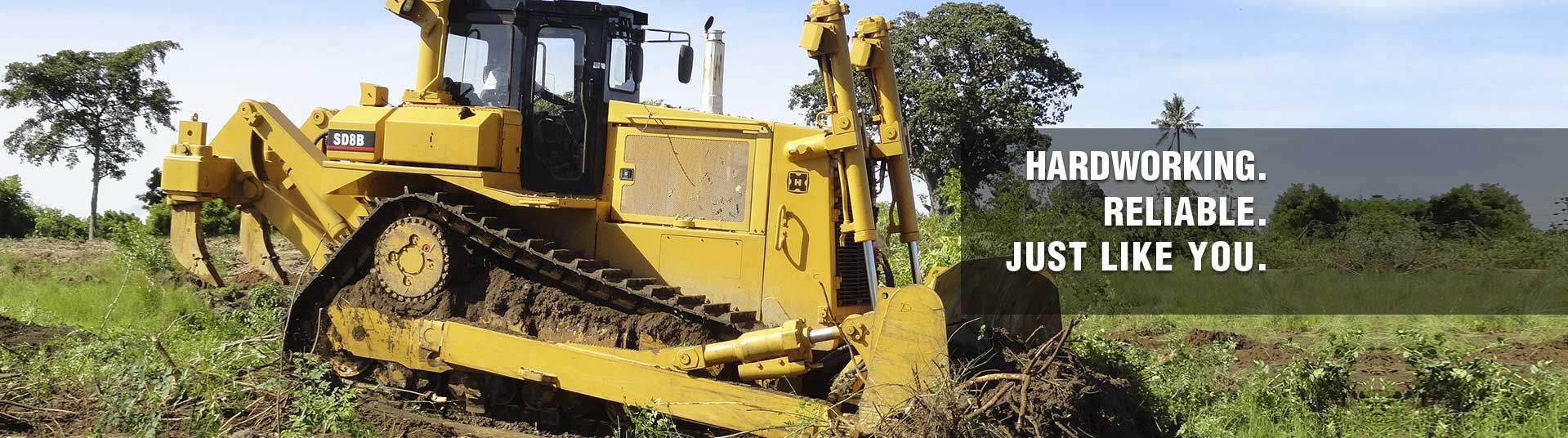
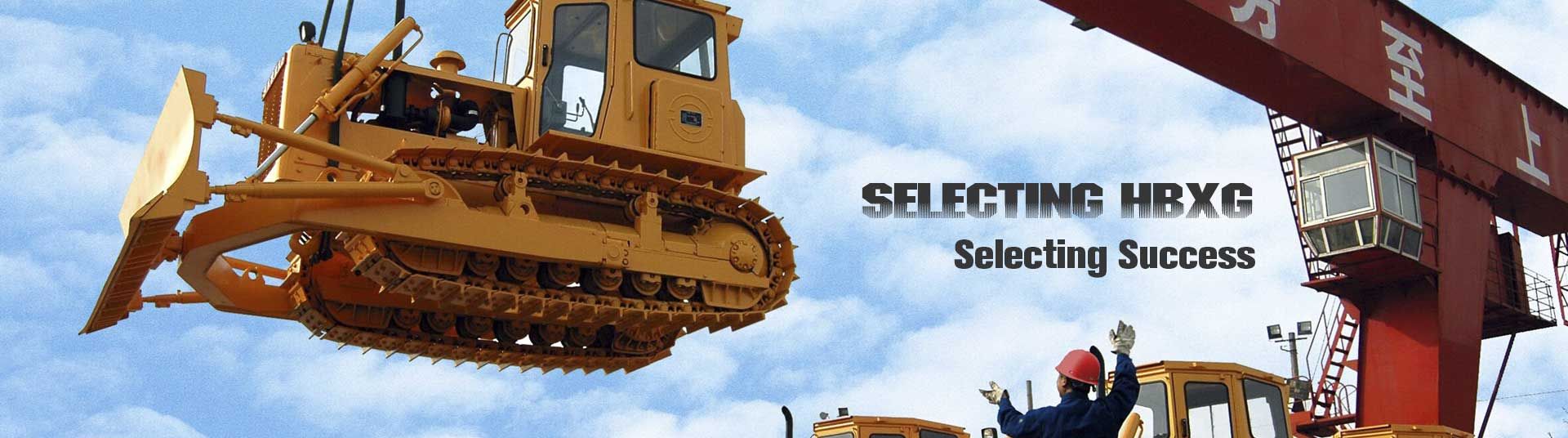
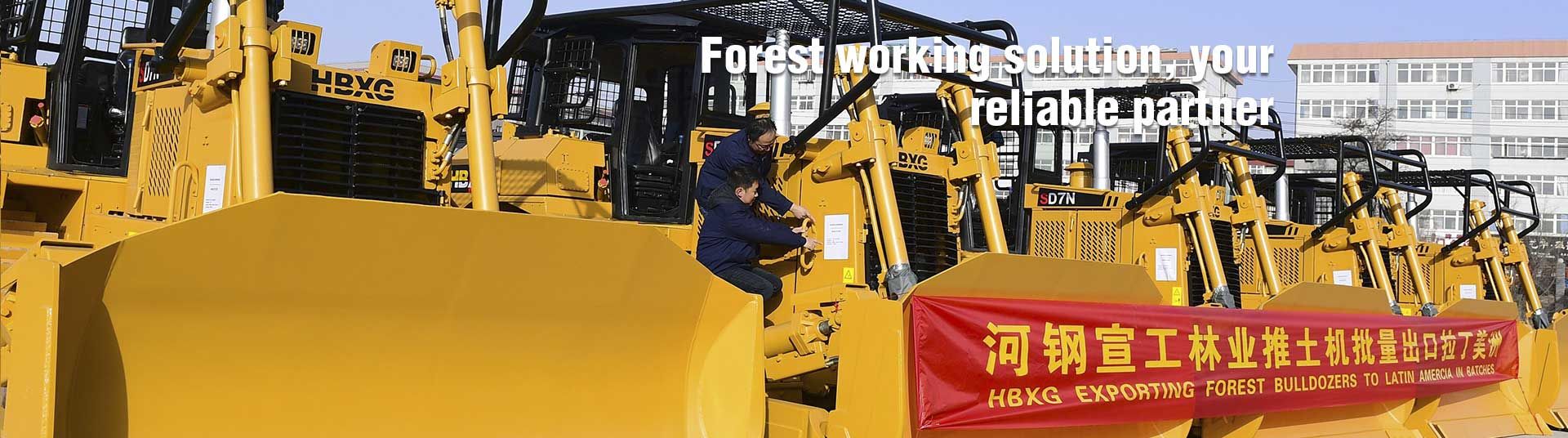
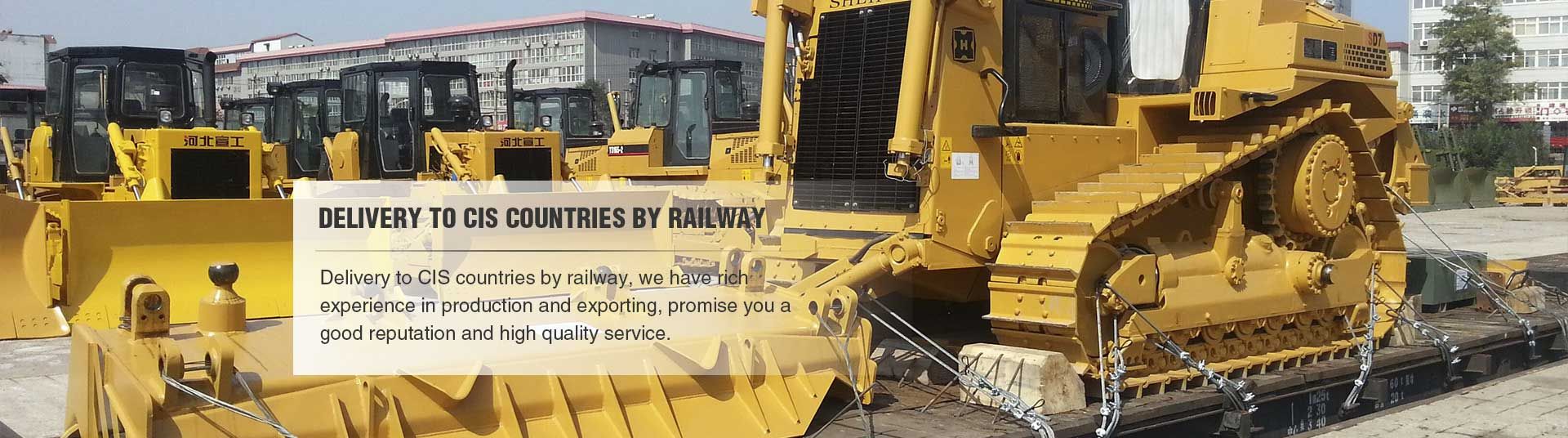
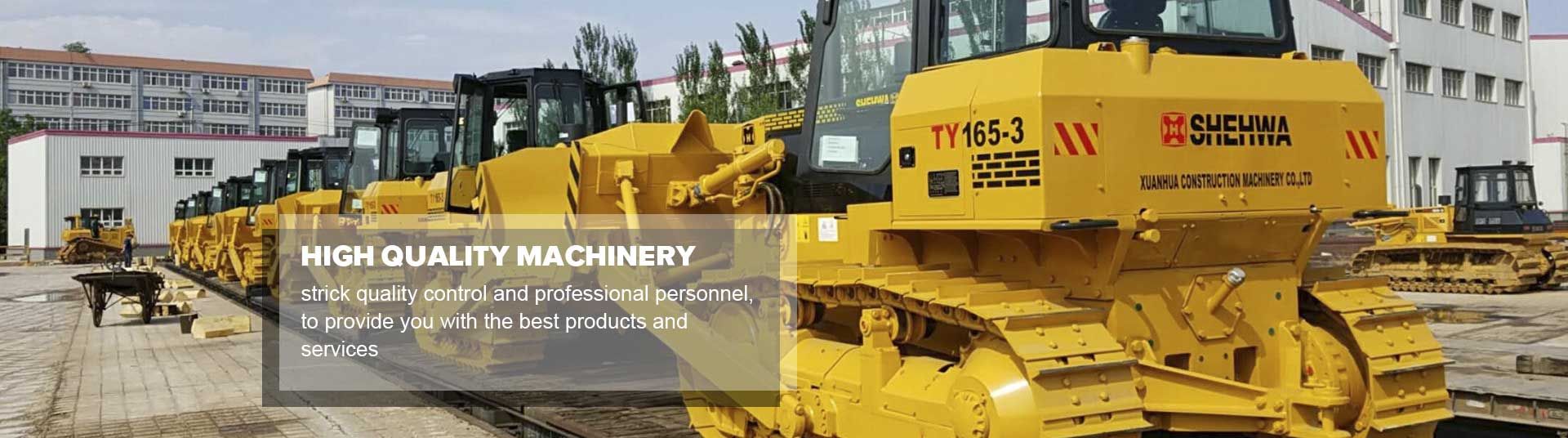
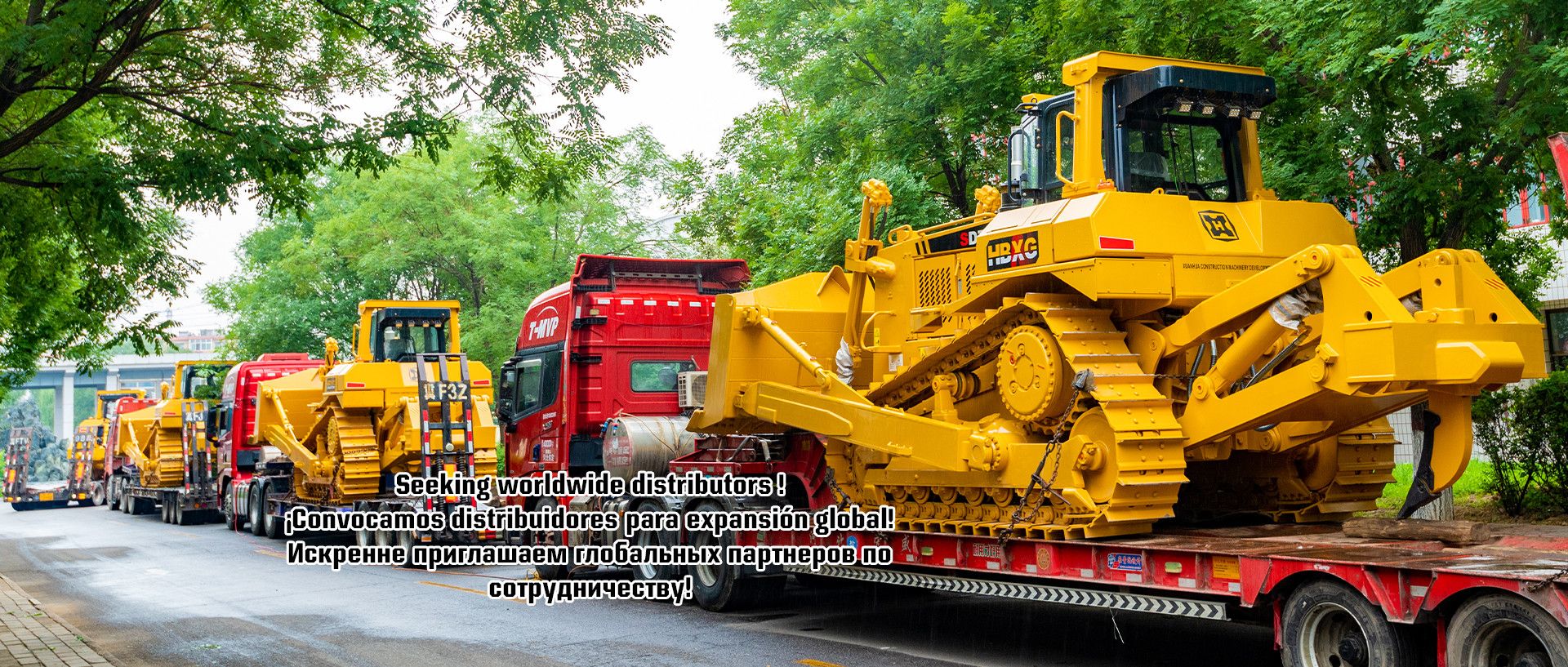
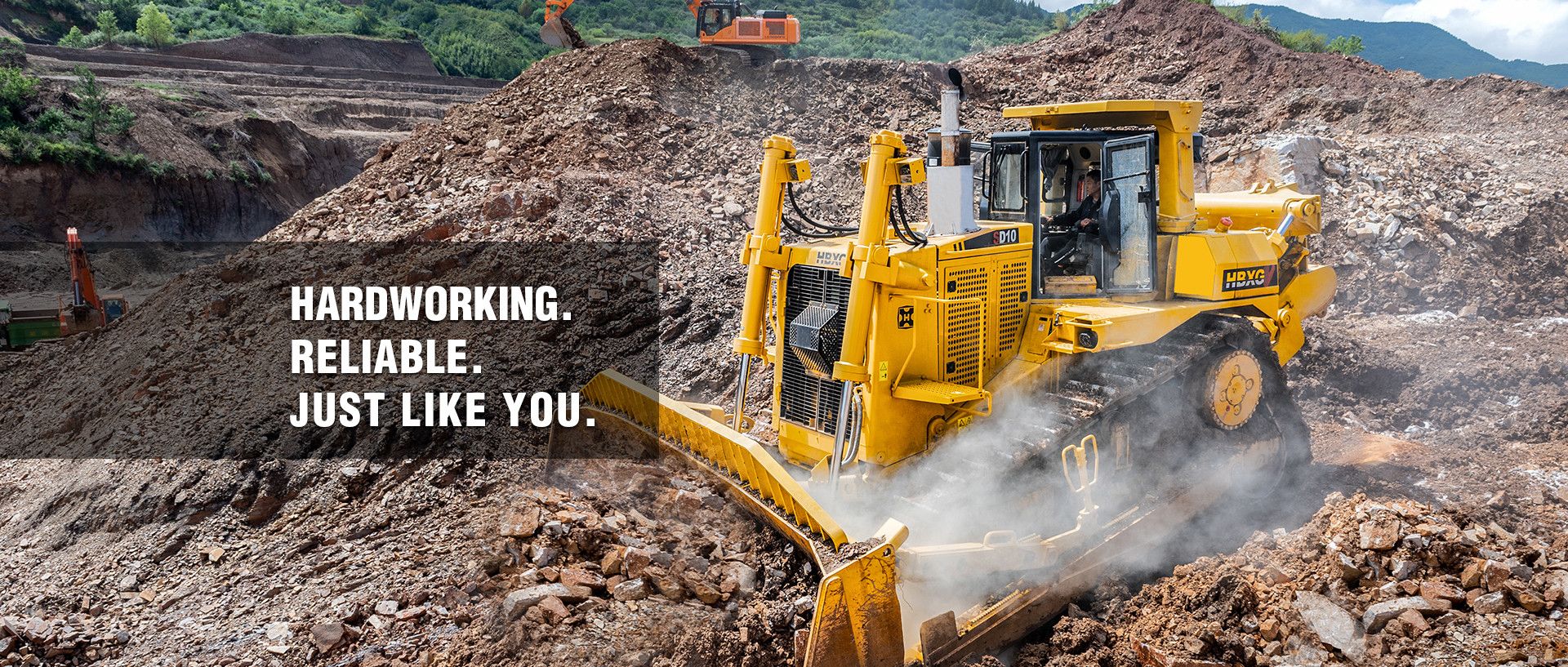
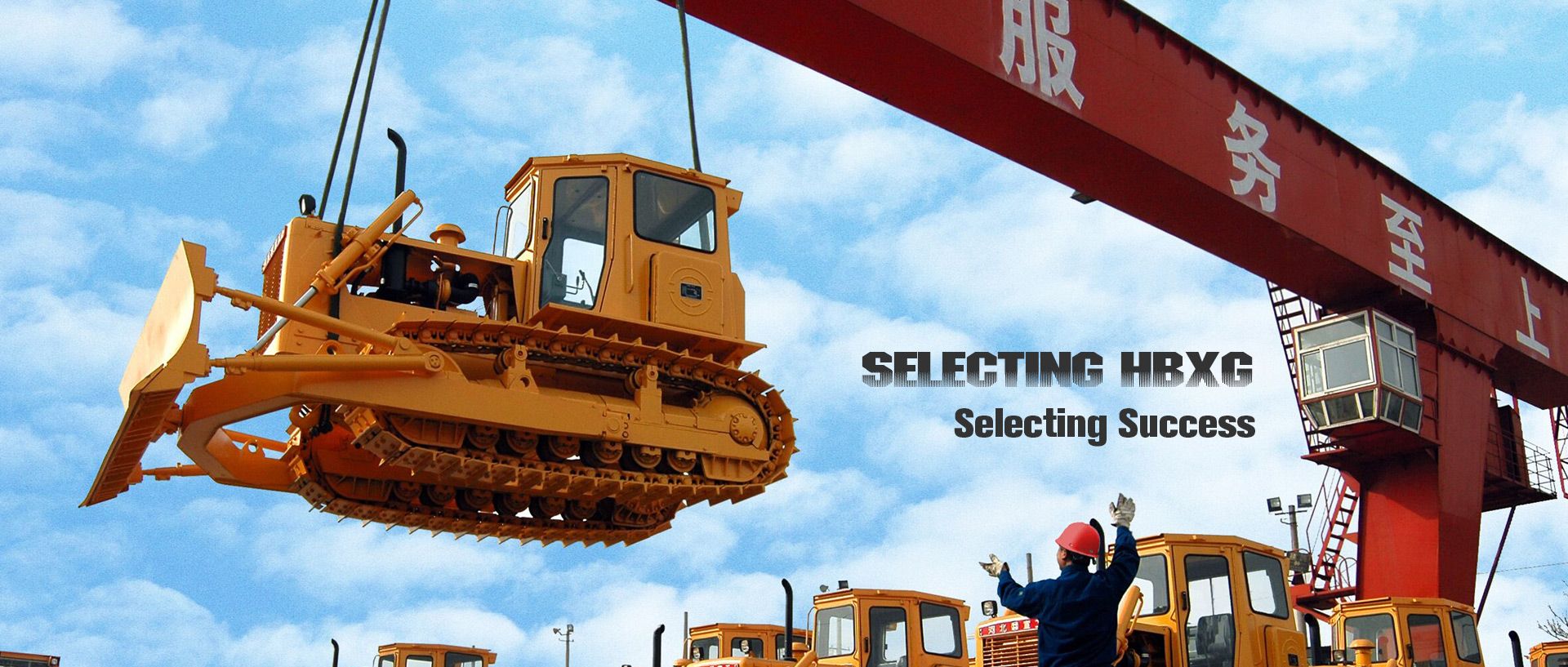
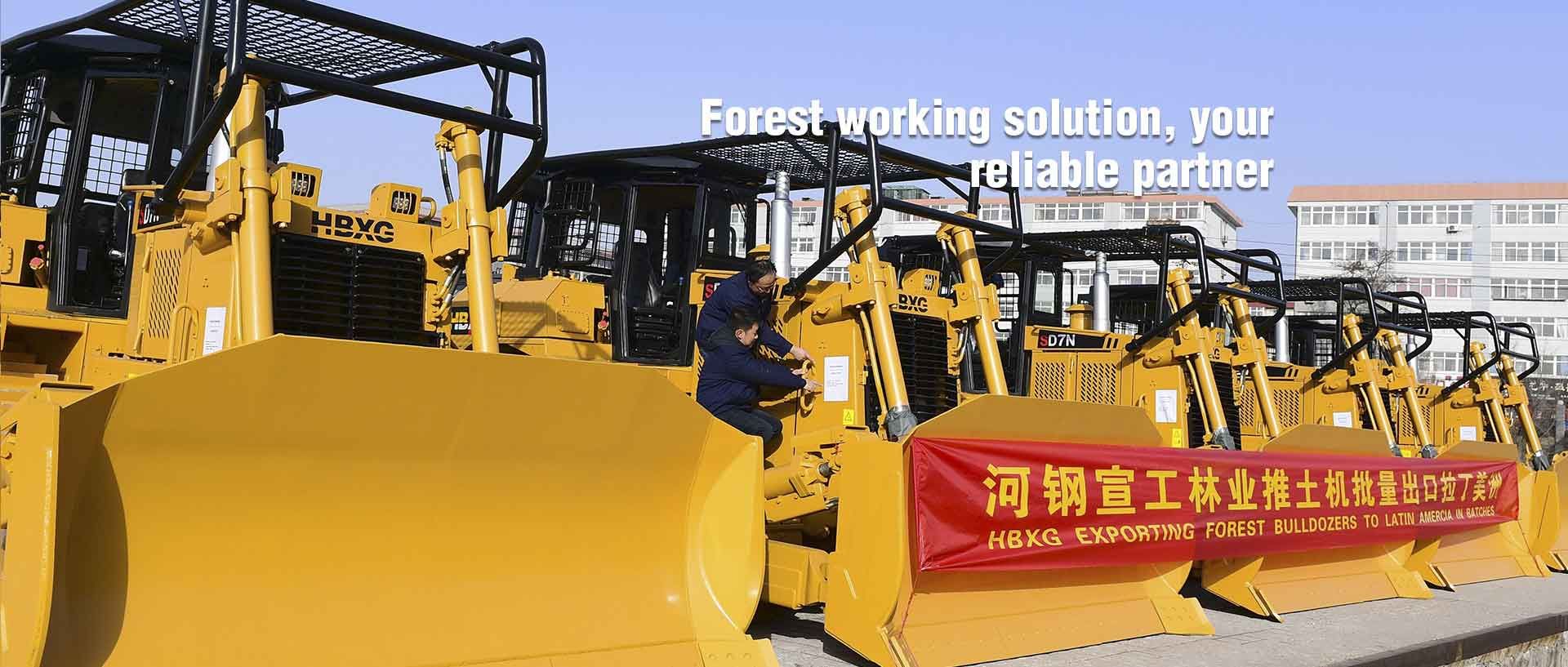
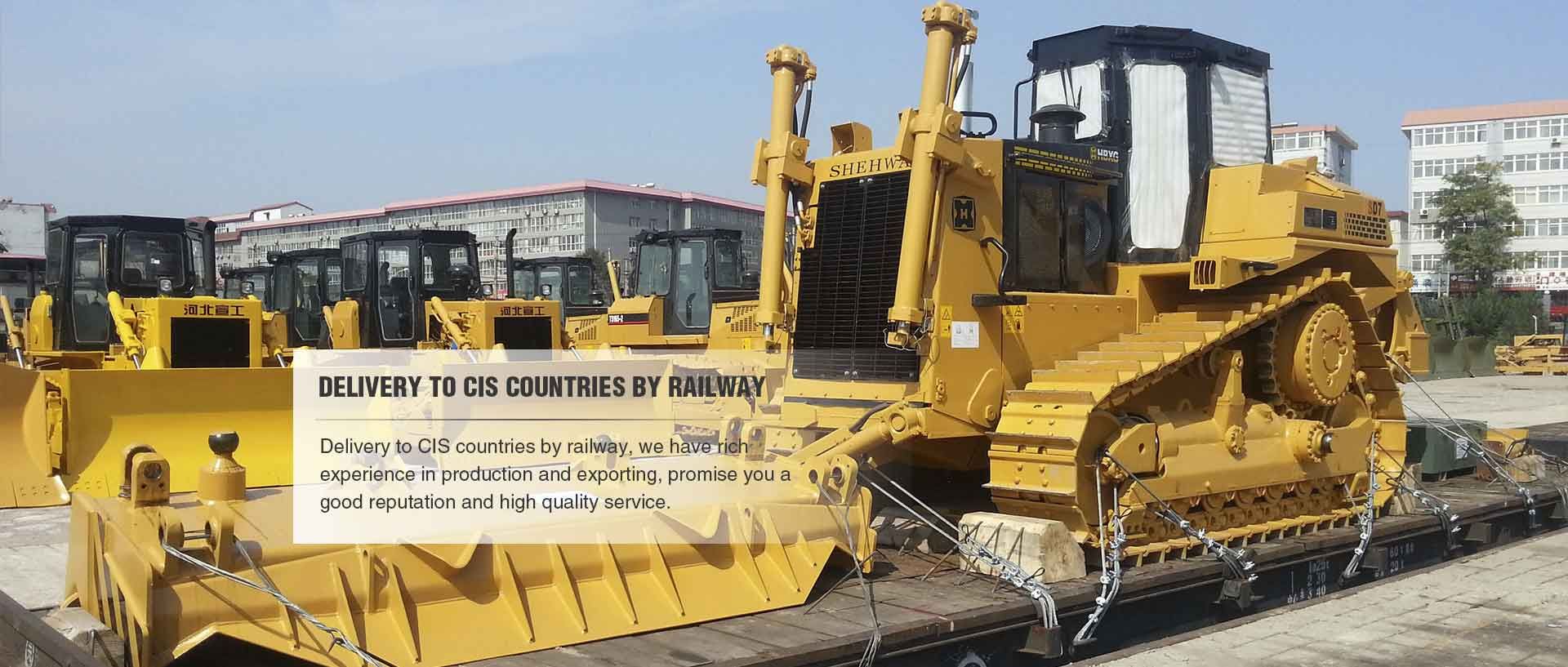
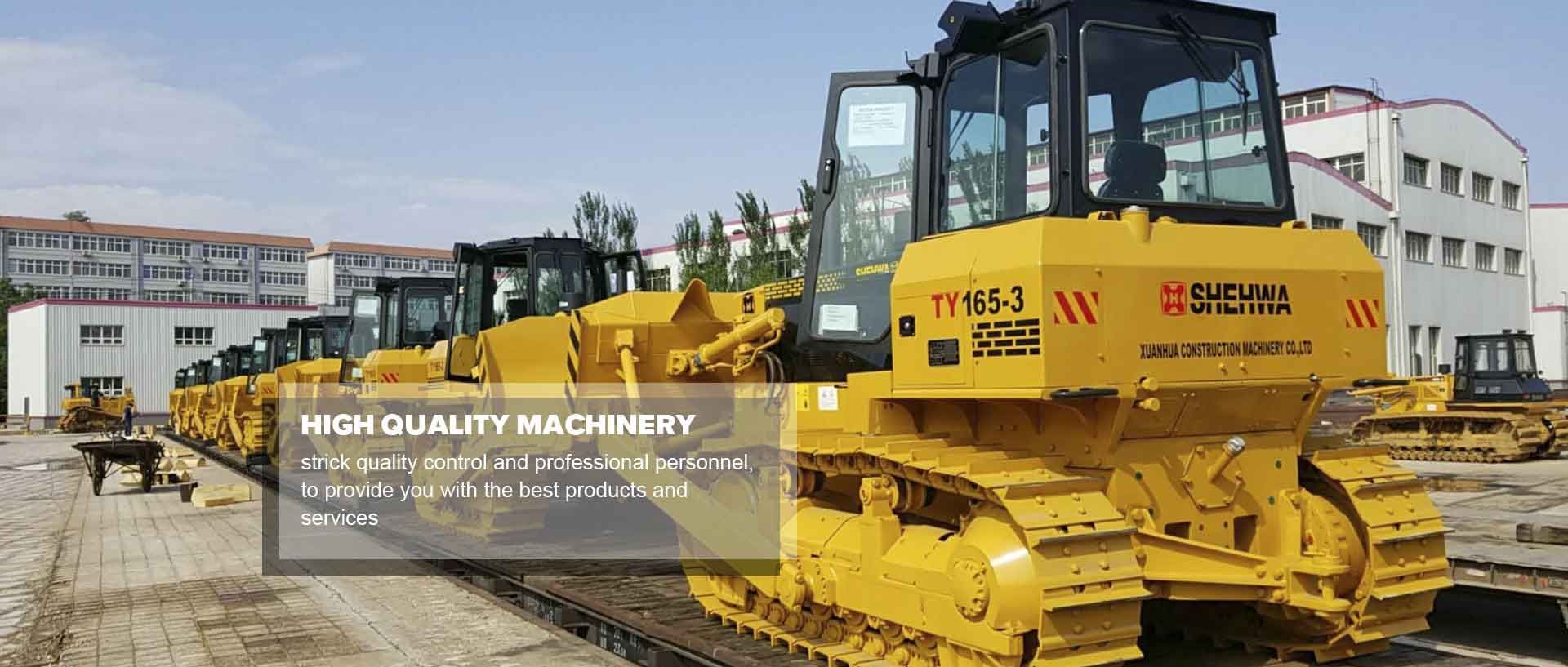

A Crawler Dozer is a tracked earthmoving machine built to push, spread, level, and remove soil or other materials. Unlike a wheeled tractor, it uses continuous tracks to carry its weight over a larger contact area. This makes it useful for a crawler dozer for land clearing, a crawler dozer for construction sites, and work on soft or uneven ground. Its blade, undercarriage, engine, and hydraulic system work together to move material with controlled force.

What Is a Crawler Dozer?
A crawler dozer, also called a tracked bulldozer or crawler tractor, is a self-propelled machine with steel tracks and a front-mounted blade. The blade cuts into soil, carries a limited amount of material, and spreads it across a work area. The machine can also use a rear ripper to break hard soil, compacted layers, or weathered rock before excavation.
The word “crawler” refers to the continuous track system. The word “dozer” refers to the machine’s pushing and grading function. In construction equipment terminology, a dozer is different from an excavator. An excavator normally digs with a boom, arm, and bucket, while a dozer mainly pushes and levels material with a blade.
Main parts of a crawler dozer
- Blade: The front attachment that cuts, pushes, carries, and spreads soil.
- Tracks: Continuous steel chains that provide traction and distribute machine weight.
- Final drives: Components that transfer engine power to the tracks.
- Hydraulic cylinders: Parts that raise, lower, tilt, or angle the blade.
- Ripper: A rear attachment used to loosen hard ground.
- Engine and transmission: Systems that provide movement and pushing power.
- Operator station: The cab, controls, display, and safety equipment used by the operator.
How Does a Crawler Dozer Work?
The basic working cycle is simple:
- The operator lowers the blade into the ground.
- The tracks move forward and the blade cuts or pushes the material.
- The operator adjusts blade height, angle, or tilt to control the material.
- The dozer carries or spreads the material over a short distance.
- The operator reverses, changes position, and repeats the cycle.
Hydraulic pressure controls blade movement. Track power creates the pushing force needed to work against soil resistance. The best result depends on more than engine horsepower. Soil type, blade size, track width, slope, travel distance, operator skill, and machine weight all affect productivity.
For example, a dozer moving wet clay may travel more slowly than one spreading loose sand. A machine with a wider track can reduce ground pressure, but it may not be the best choice for rocky work where a narrow, heavy-duty undercarriage is needed. Buyers should compare complete operating specifications instead of using engine power alone.
Crawler Dozer Blade Types
| Blade type | Typical design | Common use |
|---|---|---|
| Straight blade | Shorter blade with limited curvature | Fine grading, hard soil, and controlled cutting |
| Universal blade | Taller and more curved, often with side wings | Moving larger volumes of loose soil |
| Semi-universal blade | Combination of straight and universal designs | Mixed earthmoving and general site work |
| Angle blade | Can be angled left or right | Roadside work, drainage channels, and windrows |
Blade capacity is not the only selection factor. A large blade can move more loose material per pass, but it may require more power and may be harder to control on slopes. The correct blade depends on the material and the required finish.
Where Are Crawler Dozers Used?
1. Construction and site preparation
Construction companies use crawler dozers to clear vegetation, remove topsoil, level building pads, fill low areas, and prepare access roads. The machine can create a relatively even platform before foundation, paving, or drainage work begins.
2. Road and highway construction
Dozers help shape roadbeds, spread fill, cut road shoulders, and prepare slopes. They are often used before motor graders perform final trimming. On large projects, dozers may work with excavators, dump trucks, compactors, and graders as part of one material-handling system.
3. Mining and quarrying
Mining operations use heavy crawler dozers for bench preparation, stockpile management, haul-road maintenance, spoil pushing, and cleanup around loading areas. Heavy-duty undercarriage components are important when the work includes sharp rock and abrasive ground.
4. Land clearing and forestry
A dozer can push brush, small trees, roots, and surface debris when fitted with a suitable blade or forestry attachment. Before clearing, the contractor should check local rules for protected trees, erosion control, wetlands, and disposal of organic waste.
5. Agriculture and land development
Farm and land-development projects may use dozers for pond construction, field leveling, terrace shaping, drainage work, and access-road building. The machine should be operated carefully on wet fields because repeated passes can create deep ruts and soil compaction.
6. Waste management and landfill work
Landfill operators use crawler dozers to spread waste, cover working areas, maintain slopes, and move cover soil. Special guarding and site procedures may be required because waste sites can contain hidden metal, unstable ground, dust, and hazardous materials.
7. Disaster recovery and emergency work
After floods, landslides, or storms, dozers can clear blocked access routes and move soil or debris. Operators must first inspect the ground for voids, unstable slopes, buried utilities, and contaminated material.
Why Crawler Dozers Are Important
Low ground pressure
Tracks spread the machine’s weight across a longer contact area than standard tires. This can improve flotation on soil that is soft, muddy, or uneven. Actual ground pressure varies by operating weight, track width, shoe design, and machine configuration, so buyers should request the manufacturer’s rated value for the exact model.
High traction
Steel tracks provide a large contact surface and strong grip. This helps the dozer push material on slopes and loose ground. However, traction is not a guarantee of safe operation. OSHA warns that earthmoving equipment must be operated with attention to slopes, edges, visibility, and nearby workers.
Precise grading control
Modern dozers may use 2D or 3D machine-control systems. These systems use digital terrain models, sensors, and positioning data to guide blade elevation and slope. The result can be fewer manual checks and less rework, especially on large grading projects. Accuracy still depends on calibration, site measurements, satellite coverage, and operator control.
Flexible attachment options
A crawler dozer can be configured with different blades, rippers, winches, protective structures, and specialized guarding. This allows one base machine to handle several tasks, although every attachment changes weight, balance, visibility, and maintenance requirements.
Crawler Dozer Productivity: What Affects Output?
Dozer productivity is normally estimated from material volume moved per hour. A simplified calculation is:
Estimated production = material per cycle × cycles per hour × job efficiency
Job efficiency includes delays for turning, repositioning, traffic, blade loading, operator breaks, maintenance, and changing ground conditions. A machine may have a high rated capacity but deliver lower hourly output if it must push material over a long distance.
The following factors have a direct effect on production:
- Push distance: Shorter pushes usually reduce cycle time.
- Material density: Dense or cemented soil requires more cutting force.
- Moisture: Wet soil can increase resistance and cause track slip.
- Slope: Uphill pushing normally reduces speed and production.
- Blade fill: A properly loaded blade improves each cycle.
- Turning time: Frequent changes in direction reduce productive minutes.
- Operator technique: Smooth control can reduce unnecessary track spin and blade digging.
- Machine condition: Worn shoes, weak hydraulics, or damaged final drives reduce performance.
For a reliable estimate, measure the material type, push distance, slope, and expected working hours. Then compare the estimate with the dozer manufacturer’s production charts and a site trial.
How to Choose the Right Crawler Dozer
Match operating weight to the job
Heavier dozers often provide greater stability and pushing force, but they also increase transport cost and ground impact. A smaller machine may be more practical for residential development, while a heavy model may be required for mining, rock work, or large embankments.
Check blade capacity and control
Compare blade width, height, capacity, tilt range, angle range, and hydraulic control. If the project includes fine grading, look for compatible machine-control systems rather than choosing only the largest blade.
Consider the undercarriage
The undercarriage often receives the greatest wear. Review track shoe width, links, rollers, idlers, sprockets, guards, and expected service life. Abrasive rock may require a different track configuration from soft agricultural soil.
Review engine emissions and fuel use
Emission requirements differ by country and engine power class. In the United States, EPA nonroad diesel rules include requirements for newer engine generations, including Tier 4 standards for applicable equipment. Buyers should confirm the required emissions stage, fuel specification, after-treatment system, and service support in the target market.
Evaluate operator visibility and safety
Check the cab, seat, controls, rear visibility, mirrors, cameras, rollover protective structure, falling-object protection, lighting, alarms, and access steps. OSHA identifies struck-by and rollover hazards as important risks around heavy equipment. A clear work zone and trained spotter may be necessary when visibility is limited.
Compare total cost of ownership
The purchase price is only one part of cost. Include fuel, scheduled service, track wear, transportation, insurance, downtime, replacement parts, and operator training. A machine with strong local parts support may reduce downtime even if its initial price is not the lowest.
Crawler Dozer Operation and Safety
Before starting work, the operator should complete a walk-around inspection. Check fluid leaks, track tension, shoe condition, blade pins, hydraulic hoses, ripper teeth, lights, alarms, fire extinguisher, and access points. The operator should also confirm that no person is near the blade, tracks, ripper, or swing path.
Safe operation includes the following practices:
- Use the seat belt and keep doors or restraints secured.
- Travel at a speed suitable for visibility and ground conditions.
- Keep a safe distance from edges, trenches, stockpiles, and unstable slopes.
- Do not allow riders unless the machine has a manufacturer-approved passenger seat.
- Lower the blade and attachments before leaving the operator station.
- Shut down and isolate the machine before maintenance.
- Use a spotter when workers, vehicles, or structures are difficult to see.
- Follow local rules for overhead lines and underground utilities.
OSHA’s earthmoving equipment guidance recommends checking equipment before use and controlling hazards such as rollover, falling objects, and contact with workers. The manufacturer’s operation and maintenance manual remains the primary source for model-specific limits.
Crawler Dozer Maintenance Checklist
| Inspection period | Important checks |
|---|---|
| Before each shift | Fluids, leaks, tracks, blade, ripper, alarms, lights, and safety equipment |
| During operation | Unusual noise, overheating, warning lights, hydraulic response, and track slip |
| Daily or according to the manual | Grease points, track adjustment, radiator cleanliness, and attachment pins |
| Scheduled service | Engine oil, filters, hydraulic oil, final-drive oil, electrical systems, and software |
| Periodic undercarriage inspection | Track links, rollers, idlers, sprockets, shoes, bushings, and frame wear |
Undercarriage wear can become expensive when ignored. Regular measurements help the owner plan repairs before a failed link, roller, or final drive causes unplanned downtime. Always use the service intervals and wear limits published for the exact machine.
Common Crawler Dozer Problems and Solutions
Track slipping
Track slip may result from excessive blade load, wet soil, poor track condition, or incorrect operating technique. Reduce the blade load, check ground conditions, and inspect the undercarriage.
Slow blade movement
Slow hydraulic movement can be linked to low hydraulic oil, a blocked filter, a damaged hose, a faulty valve, or low engine power. Stop work if the system shows a warning and have a qualified technician test hydraulic pressure.
Uneven grading
Uneven results may come from incorrect blade angle, worn cutting edges, poor visibility, inaccurate site data, or an uncalibrated machine-control system. Check the blade, survey model, sensors, and calibration before changing the machine.
Overheating
Dust-clogged coolers, low coolant, a damaged fan, heavy loading, or high ambient temperature can cause overheating. Park safely, allow the engine to cool, and follow the service manual. Do not open a pressurized cooling system while it is hot.
Excessive fuel consumption
Fuel use may rise when the blade is overloaded, the machine idles for long periods, tracks are slipping, or the engine and filters need service. Matching blade size and push distance to the job can improve fuel efficiency.
Advantages and Limitations of a Crawler Dozer
Advantages
- Strong traction on loose and uneven ground
- Large contact area from continuous tracks
- Effective pushing and rough grading performance
- Useful with blades, rippers, and selected attachments
- Suitable for construction, mining, roads, agriculture, and land clearing
- Available with machine-control technology for more consistent grading
Limitations
- Lower travel speed than many wheeled machines
- Track and undercarriage parts can be expensive to replace
- May damage finished pavement or sensitive ground
- Requires transport planning for public roads
- Blade capacity is limited compared with a wheel loader for loading trucks
- Unsafe operation on steep or unstable slopes can cause rollover
Crawler Dozer vs. Other Earthmoving Machines
| Machine | Main function | Best suited for |
|---|---|---|
| Crawler dozer | Pushes, spreads, cuts, and grades | Site preparation, slopes, rough grading, and pushing |
| Excavator | Digs, lifts, and loads | Trenches, foundations, pits, and deep excavation |
| Motor grader | Performs fine surface grading | Road crowns, final slopes, and smooth finish work |
| Wheel loader | Scoops and loads material | Loading trucks and moving material over short distances |
| Scraper | Cuts, carries, and spreads soil | Large-volume earthmoving over longer haul distances |
Frequently Asked Questions About Crawler Dozers
What is a crawler dozer mainly used for?
A crawler dozer is mainly used to push soil, spread fill, clear land, level rough surfaces, shape slopes, build roads, and prepare construction sites. A rear ripper can also loosen hard ground.
Why does a dozer use tracks instead of tires?
Tracks distribute machine weight over a larger contact area and provide strong traction. This helps the machine work on soft, uneven, or sloped ground. Tracks also require regular inspection because links, rollers, shoes, and sprockets wear during operation.
Can a crawler dozer dig?
Yes, a dozer can cut into soil with its blade, but it is not a replacement for an excavator. It is best for shallow cutting, pushing, and grading. An excavator is normally better for deep trenches and vertical excavation.
What is the difference between a bulldozer and a crawler dozer?
In everyday use, “bulldozer” and “crawler dozer” often describe the same tracked machine. The term crawler dozer emphasizes the continuous track undercarriage. Some dozers use wheels, but they are usually called wheeled dozers.
How do I select the right dozer size?
Start with the material, push distance, slope, site access, required blade type, transport limits, and expected working hours. Then compare operating weight, net power, blade capacity, ground pressure, undercarriage options, fuel use, and local service support.
Is a crawler dozer suitable for wet ground?
It can be suitable when the machine has an appropriate track configuration and the ground can support its weight. Very wet or unstable soil can still cause bogging, track slip, or rollover. A site assessment should be completed before work begins.
How often should a crawler dozer be serviced?
Inspection is required before each shift, while oil, filters, lubrication, undercarriage checks, and other services follow the manufacturer’s hour-based schedule. The exact interval depends on the model, working environment, and duty cycle.
Where can I learn more about HBXG crawler dozers?
Visit the official to review available crawler dozer models, specifications, attachments, and support information. Compare the official technical data with your soil conditions, job size, local emissions rules, and maintenance plan.
Conclusion: Choose a Crawler Dozer for the Actual Job
A crawler dozer combines track traction, hydraulic blade control, and pushing power in one earthmoving machine. It is valuable for construction sites, road projects, mining, land clearing, agriculture, waste management, and emergency access work. The right choice depends on operating weight, blade design, ground pressure, undercarriage strength, emissions compliance, safety features, and service support—not on horsepower alone.
Before buying or renting, define the material, push distance, slope, working hours, transport route, and required finish. Then read the machine’s operation and maintenance manual, request model-specific production data, inspect the undercarriage, and speak with an HBXG dealer or service professional. This is the best way to select a machine that matches the site and supports safe, measurable productivity for how to choose a crawler dozer.


