


Key Features to Look for in a Modern Side Boom Pipe Layer
 Sep. 07, 2026
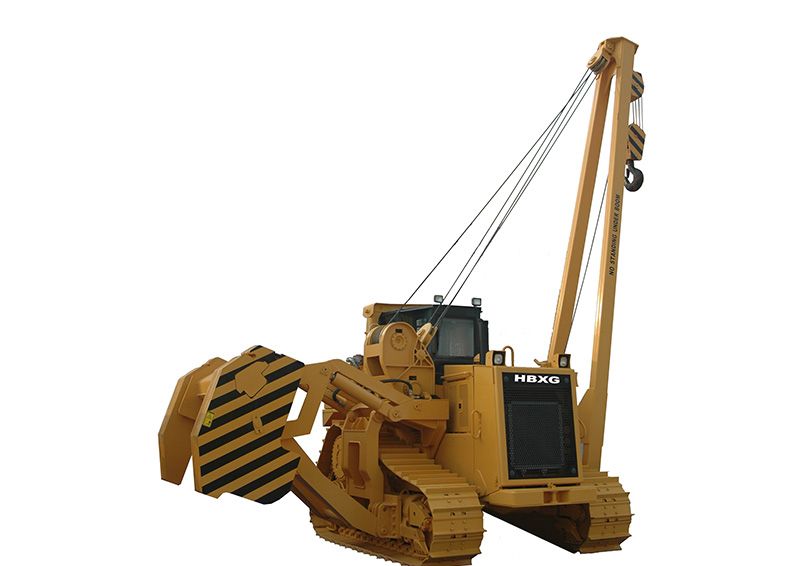
A Side Boom Pipe Layer is a tracked pipeline construction machine that uses a side-mounted boom, lifting mechanism, and load-control system to place pipe sections accurately along a prepared trench or right-of-way. For contractors, selecting the right machine improves lifting safety, installation speed, fuel efficiency, and project control. The Key Features to Look for in a Modern Side Boom Pipe Layer include rated lifting capacity, hydraulic stability, operator visibility, track performance, pipeline protection, and dependable after-sales support.
Why the Side Boom Pipe Layer Matters in Pipeline Construction
Pipeline projects require controlled handling of long, heavy, and often coated pipe sections. A side boom pipelayer supports tasks such as pipe stringing, lowering-in, alignment, ditch crossing, and right-of-way preparation. Unlike a standard crane, its crawler undercarriage is designed for travel on uneven terrain while the load remains positioned to the side of the machine.
The technology developed from crawler tractors and lifting equipment used in early oil and gas infrastructure projects. As pipeline diameters, coating requirements, and environmental controls became more demanding, manufacturers added hydrostatic or powershift transmissions, load-sensing hydraulics, improved counterweight systems, and electronic monitoring.
Today, a modern pipeline side boom tractor must do more than lift. It must maintain stability on slopes, coordinate with other pipelayers, protect fusion-bonded epoxy or polyethylene coatings, and deliver predictable performance over long construction shifts.
Key Features to Look for in a Modern Side Boom Pipe Layer
1. Correct Rated Lifting Capacity and Load Control
The first specification to review is the rated capacity at the required load radius. A machine may lift a certain maximum load close to the chassis, but its capacity decreases as the boom extends. Always compare:
- Rated load capacity at specific working radii
- Maximum boom height and side reach
- Load moment indicator or rated capacity indicator
- Dynamic stability on slopes and soft ground
- Compatibility with the project’s pipe diameter and wall thickness
A reliable load moment monitoring system helps the operator understand the relationship between load weight, boom angle, radius, and ground conditions. This reduces the risk of overload and supports compliance with the project lift plan.
Contractors should not select equipment solely by maximum tonnage. The correct choice is the machine that can safely handle the heaviest pipe at the actual radius, terrain angle, and operating configuration.
2. Stable Crawler Undercarriage and Low Ground Pressure
Pipeline rights-of-way often include mud, rock, loose soil, steep grades, and temporary access roads. A robust crawler undercarriage provides traction and helps distribute machine weight across a larger contact area.
Important undercarriage features include:
- Wide track shoes for reduced ground pressure
- Heavy-duty track chains, rollers, idlers, and sprockets
- Reinforced frames for torsional loads
- Effective track alignment and tension adjustment
- Ground clearance suitable for rocky or uneven terrain
Low ground pressure is valuable because it reduces rutting and improves mobility. However, it does not eliminate the need for geotechnical assessment. Operators still need to evaluate soil bearing capacity, slope stability, and weather conditions before lifting.
3. High-Performance Hydraulic System
The hydraulic system controls boom movement, load positioning, steering functions, and sometimes blade or auxiliary attachments. Smooth hydraulic modulation is essential when several machines are coordinating pipe placement within a narrow trench corridor.
Look for a hydraulic system with:
- Load-sensing or proportional control
- Hydraulic overload protection
- Reliable counterbalance and holding valves
- Filtration suitable for demanding duty cycles
- Easy access to test ports and service components
Fast movement is not always better. A controlled hydraulic response helps prevent sudden load swing, pipe coating damage, and alignment errors. For this reason, the best side boom pipe layer balances lifting speed with fine control.
4. Operator Visibility, Ergonomics, and Safety Systems
The operator must monitor the boom tip, lifting slings, pipe coating, nearby workers, and adjacent machines. A modern cab should provide excellent forward and side visibility, low vibration, intuitive controls, and clear instrumentation.
Safety-related features may include:
- Certified rollover protective structure and falling-object protection where required
- Load moment indication and overload alarms
- Emergency stop controls
- Rear-view cameras or proximity monitoring
- Audible travel and warning alarms
- Seat belts, ergonomic seating, and climate control
Check the machine against the regulations applicable to the worksite, such as OSHA requirements in the United States, applicable ISO machinery standards, and local lifting regulations. A safety feature is valuable only when it is correctly calibrated, maintained, and used through a documented lifting procedure.
5. Durable Powertrain and Fuel Efficiency
Pipeline construction can involve long travel distances and extended operation under heavy load. The engine and powertrain should provide sufficient torque without excessive fuel consumption.
Evaluate the following:
- Engine power and torque curve
- Emissions compliance for the target market
- Transmission response on slopes
- Cooling system performance in high ambient temperatures
- Fuel consumption at typical operating load
- Availability of filters, belts, lubricants, and replacement parts
Fuel economy should be assessed through field data rather than brochure horsepower alone. A machine with efficient hydraulics, automatic engine management, and reduced idle time can lower operating cost across thousands of working hours.
6. Pipe Protection and Precise Positioning
Pipe coating damage can lead to costly repair, additional inspection, and future corrosion risk. The lifting arrangement should use correctly rated slings, padded contact points, and procedures that prevent chain or hook contact with the coating.
Precision does not mean claiming that the entire machine places pipe to a universal tolerance of 0.01 mm. In practice, placement accuracy depends on the boom control system, survey data, trench preparation, slinging method, and operator technique. A 0.01 mm precision requirement is more commonly associated with component machining or metrology, where it can be verified using calibrated instruments.
For equipment quality, ask the manufacturer for documented inspection records. Examples include 100% visual inspection of critical welds, dimensional checks, hydraulic pressure testing, and non-destructive testing such as magnetic particle or ultrasonic examination where specified.
7. Serviceability, Telematics, and Parts Support
Downtime on a remote pipeline project can affect the entire spread, including welding, nondestructive testing, coating, trenching, and backfilling crews. Serviceability should therefore be part of the purchasing decision.
A practical support package should include:
- Accessible daily inspection points
- Clear preventive maintenance intervals
- Digital fault codes and telematics, where available
- Parts availability in the project region
- Technician training and service manuals
- A defined technical response target, such as 24-hour acknowledgement
When reviewing HBXG or another manufacturer, request written confirmation of warranty terms, commissioning support, operator training, spare-parts lead times, and the procedure for urgent field service.
Quality Standards and Inspection Questions for HBXG Equipment
Quality claims should be supported by objective records. Buyers can ask whether manufacturing and inspection processes align with recognized systems such as ISO 9001 for quality management. Materials and testing may also reference ASTM or DIN requirements, depending on the component and destination market.
| Area to verify | Useful evidence | Why it matters |
|---|---|---|
| Structural welds | Welding procedure qualification, visual inspection, NDT records | Helps verify frame and boom integrity |
| Hydraulic system | Pressure-test results, cleanliness records, leak inspection | Supports stable and safe load control |
| Material quality | Mill certificates and ASTM or DIN material references | Confirms traceability of critical steel components |
| Final assembly | 100% functional inspection and commissioning checklist | Reduces early-life failures |
| Support capability | Parts list, service network, 24-hour response policy | Limits project disruption |
These documents should be reviewed against the actual model, configuration, and destination-country requirements. Generic certificates are not a substitute for model-specific inspection evidence.
Common Misconceptions About a Side Boom Pipe Layer
“Maximum lifting capacity is the only important specification.”
This is incorrect. Working radius, boom angle, slope, ground bearing, counterweight configuration, and pipe handling method all affect safe lifting capacity.
“A larger machine is always more productive.”
A larger machine may provide greater capacity, but it can also increase transport cost, ground pressure, fuel consumption, and right-of-way restrictions. Productivity depends on matching the machine to the pipe diameter, terrain, lifting sequence, and support equipment.
“Electronic safety systems replace operator training.”
Load indicators and alarms are aids, not substitutes for qualified operators, lift plans, inspection routines, and communication between the pipelaying crew.
“A coated pipe can be lifted with any standard sling.”
Improper slings or lifting points can damage the coating. The project procedure should specify sling type, padding, inspection frequency, and allowable contact areas.
Example: Selecting HBXG for a Challenging Pipeline Section
Consider a contractor installing coated steel pipe across a mixed-terrain section with soft soil, moderate slopes, and limited access. The procurement team first identifies the heaviest pipe section and calculates the required working radius. It then compares HBXG machine data with the project lift plan instead of relying only on maximum rated capacity.
The team prioritizes wide crawler tracks, proportional hydraulic control, a load moment indicator, strong cab visibility, and accessible service points. Before mobilization, technicians verify hydraulic pressure, inspect critical welds, check track tension, and complete a functional test. Operators receive site-specific training covering slope travel, communication signals, emergency lowering, and coating protection.
During production, the contractor records fuel use, preventive maintenance hours, alarm events, and service response. This approach creates measurable evidence for future equipment decisions and helps identify whether the machine is delivering the expected cost per installed pipe section.
How to Build a Practical Buyer’s Checklist
Before purchasing or renting a modern side boom pipe layer, use this sequence:
- Define pipe diameter, wall thickness, coating type, and maximum section weight.
- Calculate the actual lift radius and required boom height.
- Assess soil bearing capacity, slope angles, access width, and weather exposure.
- Compare rated load charts, not only headline capacity.
- Review hydraulic control, undercarriage design, cab safety, and pipe-protection features.
- Request ISO 9001 information and applicable ASTM or DIN material and testing records.
- Confirm 100% final inspection, commissioning, warranty coverage, parts supply, and a 24-hour technical response target.
- Calculate total cost of ownership, including fuel, transport, maintenance, training, and downtime.
Make a Confident HBXG Equipment Decision
The Key Features to Look for in a Modern Side Boom Pipe Layer are not limited to lifting capacity. Stability, hydraulic precision, crawler durability, operator protection, coating preservation, serviceability, and verifiable quality records determine how effectively the machine performs in real pipeline conditions.
HBXG buyers should request model-specific specifications, rated load charts, inspection documentation, applicable ASTM or DIN references, and after-sales support details before placing an order. By matching the machine to the lift plan and measuring performance in the field, contractors can improve safety, reduce downtime, and achieve more predictable pipeline construction results.


